Conservationist Discovers New Geckos in Cambodia's Limestone Caves
Pablo Sinovas, a senior programme manager at the nature conservation charity Fauna & Flora, has revealed the discovery of three new gecko species in Cambodia's remote limestone caves. The findings emerged from extensive surveys of more than 60 caves across 10 hills in Battambang province, western Cambodia.
An Alien Underground World
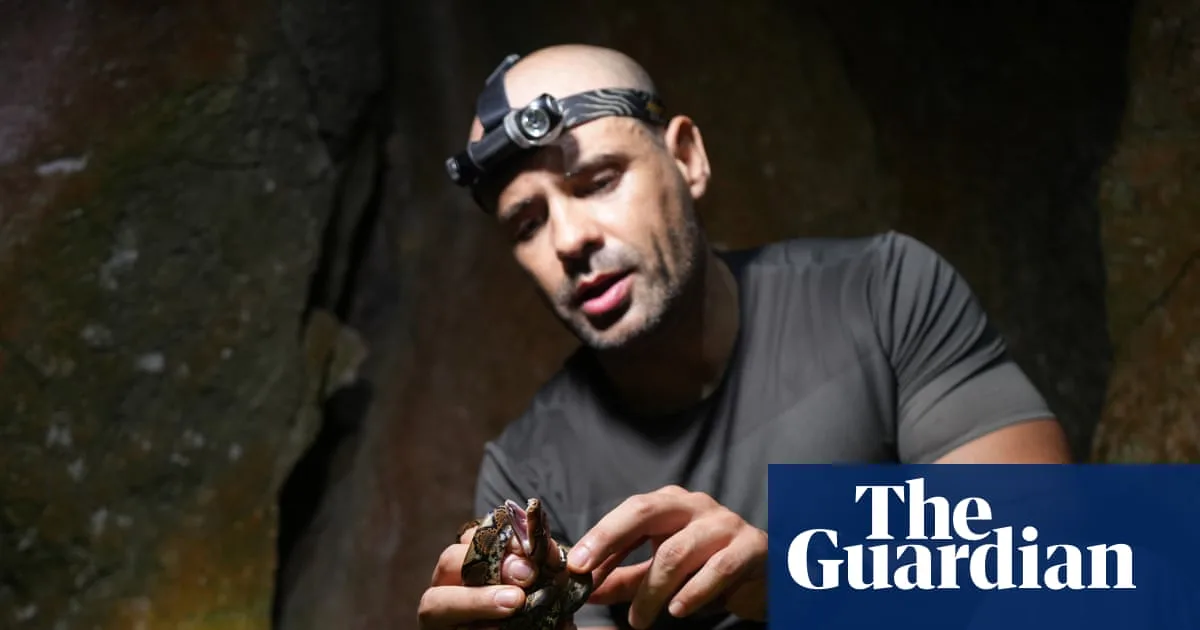
Entering these caves is a daunting experience, described by Sinovas as stepping into an alien, mostly silent world. The first smell that greets explorers is guano, or bat poo, with some caves hosting millions of bats chirping in the darkness. The walls are teeming with creatures like tailless whip scorpions, millipedes, and centipedes, while water oozes through the rock, creating a constant dripping sound.
The whole ecosystem inside a cave feeds off guano, dead bats, or any dead animals on the ground. It's not for the faint-hearted, Sinovas noted. Narrow passages link cathedral-like galleries, some too tight for humans to pass through, creating isolated habitats that have evolved uniquely over millennia.
The Karst Landscape: An Island Laboratory
Karst landscapes, formed by limestone rock eroded by water over thousands of years, act as "island laboratories" of evolution. Because these hills and caves are isolated, species adapted to specific habitats cannot cross between them, leading populations to drift apart and eventually become separate species. Sometimes, a kilometre is enough distance for species not to be able to disperse – they may have been isolated for thousands or even millions of years, Sinovas explained.
Growing up in northern Spain, Sinovas developed a passion for wildlife but knew little about karst before moving to Cambodia. From 2019, he led Fauna & Flora projects there for seven years, focusing on these overlooked ecosystems.
International Team and Nighttime Surveys
The research team included about 20 experts from Cambodia, Thailand, and the United States, conducting surveys at night when animals are most active. They worked from just after sunset, often until after midnight, exploring the caves' hidden depths.
In addition to the three new geckos, the team discovered two micro-snails and two millipedes, with potential findings of three more gecko species and a new pit viper species awaiting confirmation. Finding a new species is a dream come true, Sinovas said, describing the excitement of being involved in such discoveries.
Describing the New Species
The geckos, about 20cm long with brown and white stripes, are not small house geckos. One was named "night wanderer" for its nocturnal habits, while another has a strong bite capable of drawing blood. I find them so beautiful and interesting, Sinovas remarked.
Describing new species requires collecting specimens and administering a lethal dose of anaesthetic, a step the team dislikes but deems necessary for scientific documentation. The process involves examining physical details like scale counts and tail size, along with genetic analysis through DNA extraction. It's a thorough process, and not easy, Sinovas added.
Urgent Calls for Protection
The ultimate goal is to protect these ecosystems, which face imminent threats from cement production. If you destroy one of these hills, you potentially wipe out an entire species, at least, Sinovas warned, noting that the vast majority of karsts globally are unprotected despite high demand for cement.
These discoveries serve as a powerful tool to showcase why conservation is critical. These creatures exist nowhere else – this is their only home on the planet, and they have evolved over thousands of millions of years. How can we turn the hills into cement? They are not just rocks, they are unique evolutionary laboratories, Sinovas emphasized.
The thrill of exploration, he concluded, combines knowledge and wonder to advocate for preserving biodiversity in these fragile habitats.