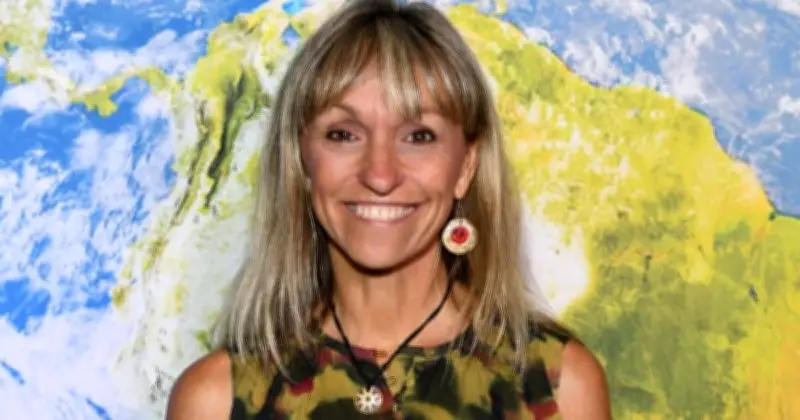
BBC wildlife presenter Michaela Strachan has said Clarkson's Farm has helped people understand the true difficulties of farming as the UK faces a wildlife crisis. Speaking exclusively to Express.co.uk ahead of hosting the International Fund For Animal Welfare's Animal Action Awards, she explained that despite the nation's reputation as animal lovers, the United Kingdom is one of the most nature-depleted countries in the world.
UK ranks 189th on biodiversity index
The UK currently ranks 189th out of 240 nations on the Natural History Museum's Biodiversity Intactness Index.
"We've only got about 53% of UK's original nature left intact. We think we're you know nature loving country, and yet you get a statistic like that...and I think it's because we've got a lot of our country is farmed, and a lot of farming is not with nature in mind," she said.
"That is beginning to change, and you know, we've certainly filmed on Springwatch on a farm, a regenerative farm. That farming is done with nature in mind. So things are beginning to change, but let's face it: in the past, that that hasn't been something that's really been talked about, and that's done a lot of damage for our wildlife," she added.
Praise for Clarkson's Farm
Despite this, she praised the Prime Video show, saying: "I think things like Clarkson's Farm, whether you like it or you don't like watching it, have been very good for making people understand the difficulties of farming."
"[There are] all sorts of subjects that he's made people aware of. So that's really good, and that's the same thing that we do on Spring Watch. It's the same thing that they do on Countryfile. So all those programmes are important," she reflected.
However, she expressed a concern: "I think what's worrying is that a lot of those programmes appeal to an older age group. So we need to engage the younger generation, and I think the younger generation falls into two different camps."
"I think half the younger generation are more knowledgeable than we were when we were their age because they have access to so much information. And if you start following that sort of information on social media, you're fed that information on social media. The algorithms will feed it to you," she noted.
"Then there's another sort of section of the younger generation who couldn't care less about wildlife. Their interests are very different, and so the algorithms will feed them all the other stuff. So, it's interesting, isn't it? As I say, I think some of the younger generation are incredibly informed and incredibly active and want to make a difference and want to do the right thing," she said.
Animal Action Awards winners
These subjects were especially on her mind ahead of the annual awards, which celebrate six individuals and one four-legged hero making a difference for wildlife.
This year's winners included Scottish labrador Sgiath, a former mountain rescue search dog, who became what is believed to be the first dog in the world trained to detect the invasive marine organism Didemnum vexillum, commonly known as "sea vomit". Also receiving an award was Brazilian biologist Flávia Miranda, who has dedicated more than two decades to protecting anteaters, armadillos and sloths across Latin America.
Meanwhile, Zimbabwean wildlife biologist Liomba-Junior Mathe has dedicated more than a decade to helping people and lions coexist around Hwange National Park.
"[The] winners remind us that conservation works best when people come together around a shared purpose. From rescuing orphaned elephants and caring for injured wildlife, to protecting sharks, tackling wildlife crime and helping communities live alongside animals, each of them has shown what's possible when people and wildlife live in harmony," Michaela said ahead of the ceremony.