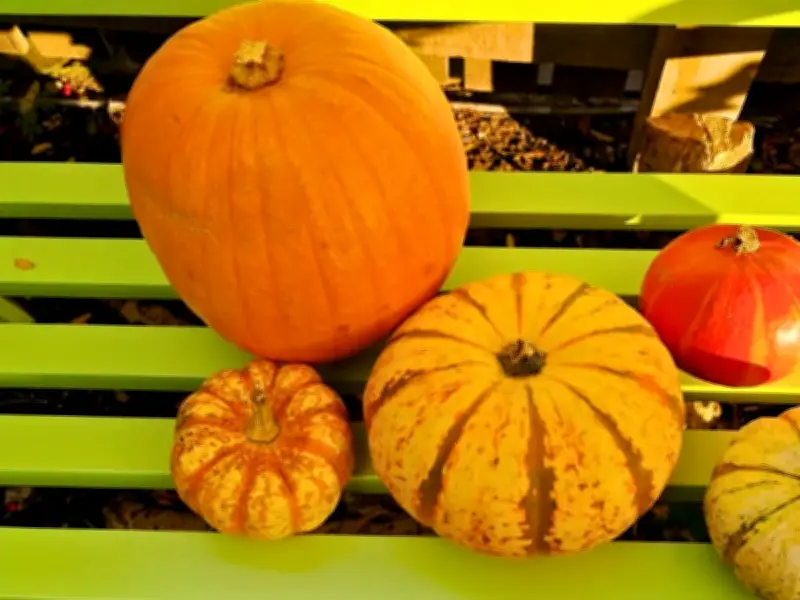
Gardeners are being urged to think twice before discarding their Halloween pumpkins, as leftovers can provide essential support for hungry garden birds as winter approaches. November is an ideal time to start feeding wild birds, since most plants die off and the ground freezes, forcing insects deeper underground.
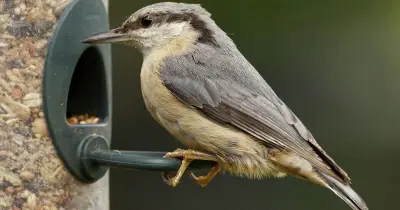
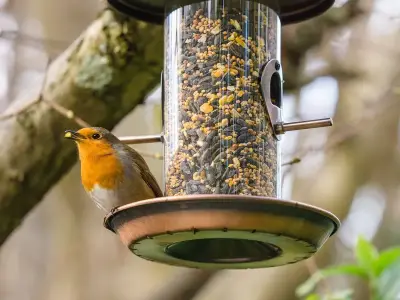
With natural food sources dwindling, birds need more food to build fat reserves to stay warm. Leaving pumpkins out is a simple way to support local wildlife, attracting species such as robins, blackbirds, house sparrows, chaffinches, and occasionally owls.
Why Pumpkins Are Beneficial
Pumpkin seeds are rich in protein, healthy fats, and minerals, offering birds a nutritional boost during colder months. The flesh provides moisture, aiding hydration. The bright orange color draws birds' attention, while the seeds and food inside encourage repeat visits.
One gardener, Katherine McPhillips, has placed leftover pumpkins in her garden for years and currently has two robins visiting every morning. She describes it as one of the easiest and most cost-effective ways to attract wild birds as cooler weather sets in.
How to Make a Pumpkin Bird Feeder
To create a feeder, you need a firm pumpkin, bird food (such as mealworms, peanuts, or sunflower seeds), and twine or string. It is crucial to use only fresh pumpkins; if one is beginning to collapse, discard it.
Slice the pumpkin in half horizontally, remove seeds and flesh, and keep one half whole like a bowl. Use a butter knife to make drainage holes at the bottom, then thread twine through holes around the edge. Fill the pumpkin halfway with seeds and hang it in a secluded spot, such as near a shed, fence, or tree.
Do not leave the feeder on the ground, as hedgehogs should not eat pumpkin due to digestive issues, and it could attract rats. Check the pumpkin daily and remove it once it becomes soft or spoiled.
Choosing the Right Food
It is important not to toss just any leftovers outside. Foods like bread are harmful to wild birds, offering empty calories without nutritional value. Instead, birds need protein and fat-rich foods that mirror their natural diet.
Bird food mixes are inexpensive and available in most supermarkets. McPhillips buys sunflower seeds, crushed peanuts, and dried mealworms, noting that a bag can last around a month.