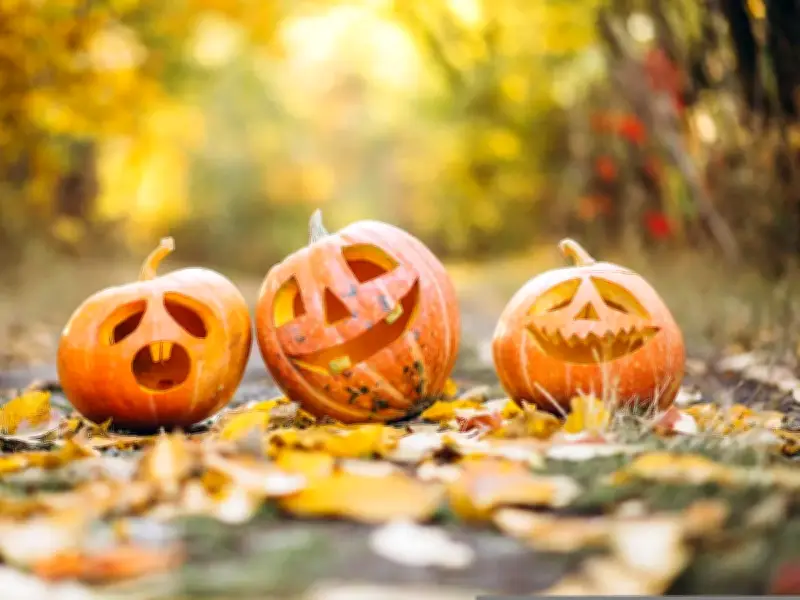
As Halloween ends and Bonfire Night approaches, households across the UK are taking down decorations. Before throwing out a carved pumpkin, it's important to know that improper disposal could lead to a fine of up to £5,000.
Why Pumpkins Don't Belong in Nature
Every year, some people dump leftover carved pumpkins in forests and beauty spots, assuming it's harmless because it's "natural." In reality, this can damage habitats and put wildlife at risk. A wildlife and woodlands charity explained on Facebook: "It might seem like a harmless way to give wildlife an autumn treat, but pumpkins aren't a natural part of our native wildlife's diet."
The charity continued: "Pumpkins can make hedgehogs very poorly, and leaving food in the forest for birds, foxes, badgers and deer can contribute to the spread of disease." Carved pumpkins can also contain traces of paint, glitter, candles or other decorations, which can pose a risk if animals eat them.
Legal Consequences of Fly-Tipping
Discarding old pumpkins in woodland, parks or rural areas is legally classified as fly-tipping. This can result in an immediate Fixed Penalty Notice of up to £5,000 following recent government crackdowns on waste crime. If the offence is deemed serious enough to be brought before a Magistrates' Court, the financial penalty can increase to a maximum fine of £50,000, along with a possible 12-month custodial sentence.
The charity's post highlighted how hazardous it is to "introduce leftover food" into natural surroundings that possess their own ecosystems. Pumpkins are not indigenous and have no place in the habitat.
Proper Disposal Methods
To avoid these penalties, check your local council's guidelines for the best ways to dispose of pumpkins. In many cases, this will be via food or garden bins. The charity rounded off its post: "So after Halloween, please put your pumpkin in your food waste, rather than leaving it in the forest."