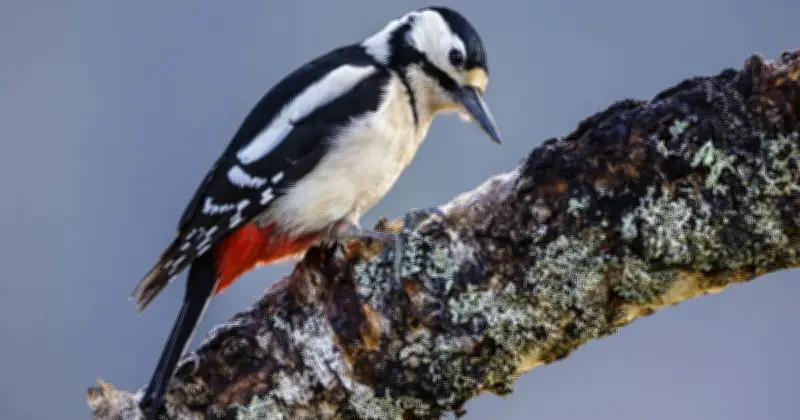
Gardeners who clear away every fallen branch may be deterring one of Britain's most impressive birds, the great spotted woodpecker. While this species is widespread in the UK and frequently visits garden feeders, it is much less common than a robin.
Topping up the bird feeder is an easy way to entice garden birds, but specialists say creating the right habitat makes all the difference. Advice from Ivel Valley Bird Food suggests leaving deadwood in the garden to attract great spotted woodpeckers.
Why Deadwood Matters
Leaving deadwood in place, whether old branches, decaying logs, or standing dead timber, gives woodpeckers a natural hunting ground packed with hidden larvae and potential nesting spots. Logs left in shady spots in the garden do more than just offer food; they suit the way woodpeckers naturally behave.
Insects hide beneath decaying bark and inside rotting timber, encouraging the birds to climb, tap, and linger. Pairing deadwood with unsalted peanuts, suet treats, and clean water can give birds an extra reason to stop by, particularly when natural food is harder to find.
Encouraging Nesting
The bird food experts added: "Great spotted woodpeckers are cavity nesters, meaning they excavate holes in dead trees to create their nests.
You can encourage them to nest in your garden by putting up a specially designed woodpecker nest box. Ensure the box has a 45mm entrance hole and is placed high up in a tree to mimic natural nesting conditions."
A birdbath or shallow dish of water can be a lovely addition to your garden. Keep the water clean and fresh, and consider placing a stone or perch in the middle to give birds a safe spot to drink.
Woodpecker Species in Britain
The Wildlife Trusts notes that Britain has three woodpecker species, though the one most likely to be seen in gardens is the great spotted woodpecker. This more common species is black and white with a red patch under the tail and a red spot on the back of a male's head.
Britain's largest species, the green woodpecker, is olive-green with a yellow rump and red crown and is better known for its laughing "yaffle" call than drumming, while the rare lesser spotted woodpecker is barely bigger than a sparrow with black-and-white ladder markings on its back.
Spotting woodpeckers in the wild often means heading to ancient, broad-leaved woodlands with big old trees, such as Lower Woods in Gloucestershire, Warburg Nature Reserve in Oxfordshire, or Pengelli Forest in Pembrokeshire—ideally on a still, clear day.