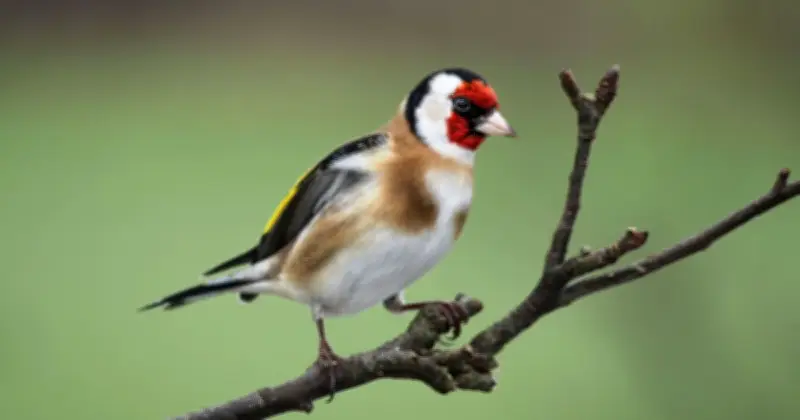
With their bright red faces, gold wing flashes and constant chattering, goldfinches make quite a spectacle when they arrive in a loose flock in your garden. But while these colourful birds are a common sight today, that wasn’t always the case. For years, bird lovers had to travel deep into the countryside to catch a glimpse of them.
However, over time, their habits have changed. A combination of declining natural food sources, changes in farmland and climate has led more goldfinches to search for food in gardens, especially in the colder months. And for anyone who would love to see the magnificent birds in their garden, one of the best ways to attract them is by planting a flower they absolutely love.
Teasel: A Favourite Food Source
According to the Scottish Wildlife Trust, teasel is one of the goldfinch’s favourite food sources during autumn and winter. The charity said: “The seed heads dry out in winter, providing food for the goldfinch. Their thin beaks are ideally suited for tweezing the tiny seeds from between the spikes.”
The teasel also supports garden wildlife year-round. Its purple flowers attract insects in summer, and its dried seed heads feed birds through winter. The plant's structure even collects rainwater, providing birds and bugs with a tiny reservoir on dry days.
How to Grow Teasel
Experts at the Gardeners’ World say teasel is a “strikingly architectural” wildflower that can grow up to two metres tall by its second year. They said: “The flowers are a magnet for bees, butterflies, and other insects, and then masses of tiny seeds are beloved by seed-eating birds, especially goldfinches.”
Teasel grows well in sun or partial shade and thrives in a variety of soils, including heavy or damp ground. You can sow seeds in spring or autumn directly into your garden or start them in pots before planting out. The Experts added: “Plant them 45-60cm apart and water them until established. Teasel needs little care, but keep in mind it self-seeds freely, so be prepared to thin out young plants if needed.”
There’s also no need to prune teasel, as its dried stems can stand through winter and help shelter insects. At the end of the season, they can be pulled up and composted or used in wildlife-friendly brash piles.
Alternative Feeding Options
And if you don’t want to wait until next year for your plants to grow, the Scottish Wildlife Trust recommends adding a nyjer feeder to your garden. “Nyjer is a tiny seed which goldfinches love,” the charity said. “You’ll need a special feeder with small holes so the seeds don’t blow away.”
Goldfinches are known to form large groups after the breeding season, sometimes numbering into the thousands.