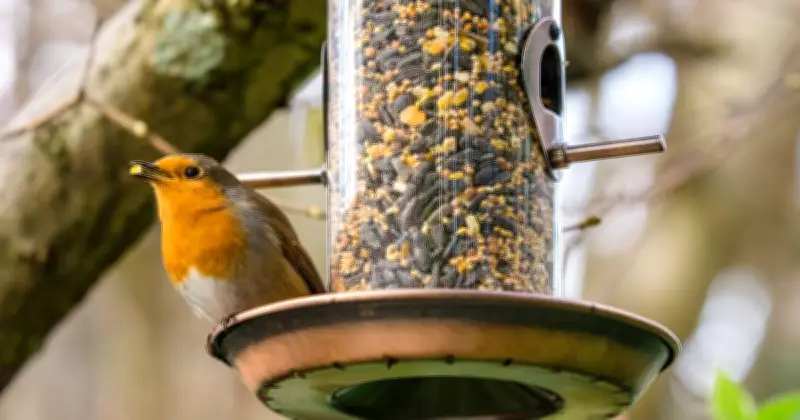
Feeding wild birds is a rewarding hobby, but an easily accessible bird feeder can unintentionally draw in one of the most unwanted garden visitors: the rat.
According to experts at Really Wild Bird Food, once rats recognise your garden as a dependable source of food, they are extremely likely to outstay their welcome. Beyond inflicting physical harm by gnawing and tunnelling through vegetable plots, seeds, and bulbs, rats present a serious health and safety hazard.
They are carriers of diseases including salmonella and leptospirosis, which pose a threat to both humans and birds alike. They also display aggression towards feathered visitors, often targeting the eggs and defenceless chicks of ground-nesting species.
Moreover, an infestation in the garden is frequently the last step before rats make their way into your home, where they can create unpleasant odours and gnaw through clothing, wiring, and cables.
Key gardening tasks to tackle now
To safeguard your wild birds and keep rodents away, experts recommend several gardening tasks to complete now. First, cut the grass and any other overgrown areas. Rats are inherently cautious, nervous creatures that depend on long grass, shadowy corners, and overgrown patches for protective cover.
Keeping your lawn trimmed and clearing away clutter around sheds reduces these safe havens, making rats too nervous to cross your garden in search of food. In addition, always clear away any uneaten food left outside for pets (such as rabbits or guinea pigs) or other wildlife.
Use tall feeding stations and rearrange your garden
Ground-level feeders provide rodents with an effortless meal. Replace low-hanging or ground-based setups with tall feeding stations that position seed well beyond their reach. To stop nimble rodents (including squirrels) from simply climbing the poles, coat the metal with a slippery substance such as Vaseline.
Rats exhibit a behavioural trait called "neophobia" - a pronounced aversion to unfamiliar objects or alterations in their surroundings. By frequently repositioning your garden furniture, ornaments, and bird feeders, you disrupt their established pathways and discourage them from confidently navigating your property.
Use natural scents to repel rats
Rats possess highly acute senses of smell and are repelled by strong, pungent odours. Scatter common household items like garlic powder, peppermint oil, chilli, cayenne pepper, or cloves around susceptible areas of your garden.