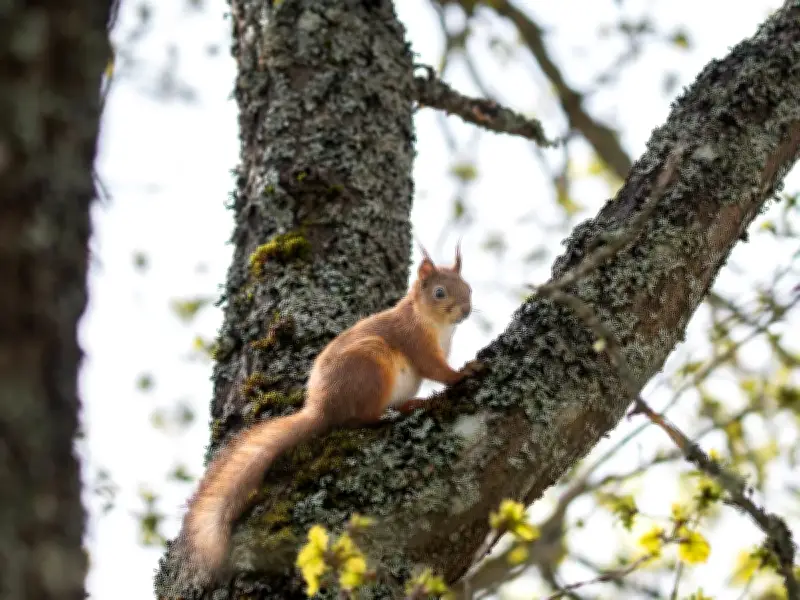
Red squirrels, an endangered species in the UK, are more frequently seen during autumn as they forage for food to build fat reserves for winter. Gardeners can support them by planting specific native trees and shrubs rather than leaving out food, according to guidance from the British Pest Control Association.
Why autumn is critical for red squirrels
During autumn, red squirrels need to consume large quantities of food to build up fat reserves and stay warm through the winter. Female red squirrels, in particular, must gain considerable weight to breed successfully. While leaving out nuts or berries can help local populations, this practice may also attract grey squirrels, which carry a virus fatal to red squirrels and are the most frequent cause of their deaths.
Kathryn Eccles from the British Pest Control Association recommends growing specific plants instead of putting out food. She said: "Unlike their grey cousins, who you might see foraging on the woodland floor, red squirrels prefer to spend most of their time high up in the trees. If you can, try to plant large trees, like ash, birch, and willow trees, and bushes and shrubs that grow fruit, like holly, crab apples and brambles."
Best plants and trees for red squirrels
Scots pine is among the finest trees for red squirrels, as its cones contain seeds they adore, but they will also feed from hazel trees or silver birch. For smaller gardens, crab apple trees, brambles, raspberries, and bird cherries serve as excellent food sources. Hawthorn hedges, dog roses, and guelder roses offer protective cover, making red squirrels feel more secure when venturing around a garden.
If space is limited, leaving a small patch of garden unmowed can attract insects for red squirrels to feed on and provide shelter. Cultivating native plants is generally preferable to putting out food, as it prevents red squirrels from becoming too dependent on humans and keeps them away from bird feeders.
Check local wildlife conditions first
Before planting, gardeners should check their local wildlife conservation website, as there is little point in attracting red squirrels if a sizeable grey squirrel population already exists in the area. Doing so could bring red and grey squirrels into closer contact, increasing the spread of disease or triggering confrontations. In areas with large numbers of both species, it is best to leave them be but monitor them should they venture into the garden.
It is also useful to observe whether squirrels have lesions on their face or paws, and report any findings to a wildlife conservationist, as this could indicate a squirrelpox outbreak in the local area.