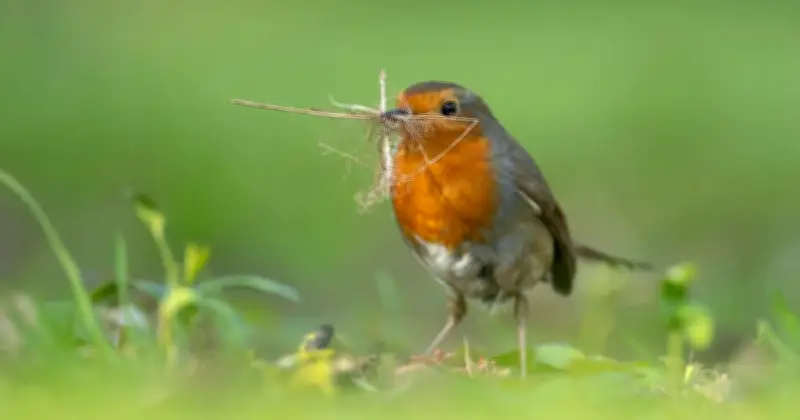
The RSPB is urging gardeners to feed robins small amounts of mealworms, fat balls, or suet during autumn to support them while reducing disease risk. The advice comes as part of updated seasonal feeding recommendations, which suggest limiting feeding from May 1 to October 31.
Seasonal feeding advice from the RSPB
According to the RSPB, "birds need high-energy, high-fat foods during cold weather." However, the organisation has recently updated its guidance, urging people to "feed seasonally." It recommends reducing feeding between May 1 and October 31, and limiting offerings during these months to "small amounts of mealworms, fat balls or suet."
The reasoning is that during summer and autumn there is a heightened risk of disease spread, which could put bird populations already in decline at further risk. Overcrowded bird feeders can become "hotspots for disease," the RSPB warns. From November 1 through to the end of April, a full range of bird foods can be resumed.
What to feed robins in autumn
High-energy and high-fat foods that birds love include suet, peanuts, sunflower seeds, and mealworms. "Mealworms are a favourite for robins, they absolutely love them," says Sue Morgan, CEO of SongBird Survival. "But I reckon if you offered sunflower hearts and mealworms... robins would really enjoy those."
When feeding birds, hygiene is crucial. The RSPB advises never allowing uneaten food to accumulate, clearing away old feed promptly, and remaining vigilant for signs of illness. Bird baths should be kept thoroughly clean on a regular basis. Last year, the RSPB halted sales of its flat bird tables amid concerns they could contribute to the transmission of fatal diseases among finches.
Why fewer birds appear in autumn gardens
The annual moult is one reason. Following the breeding season, adult birds are worn out, and their feathers become damaged. In preparation for autumn and winter, birds undergo a complete feather replacement, which is energy-intensive and leaves them less likely to venture into open spaces. "Moulting is a physically demanding time for birds," the RSPB explains. "They need to conserve energy, so they become much quieter and spend more time hidden amongst vegetation, making them less conspicuous."
Autumn also brings an abundance of natural food. Berries mature, plants are heavy with seeds, and insects remain widespread, so birds spend less time at feeders. "Wild food sources like berries, nuts, and fallen fruits are at their peak in autumn," explains the British Trust for Ornithology (BTO), "meaning birds don't have to rely as heavily on supplementary feeding."
Juvenile birds are also becoming independent and dispersing to new territories, while summer migrants like swallows and house martins prepare for their journey south. Many year-round birds, however, are simply bedding down and focusing on survival.
How to safely help birds in your garden
To support birds safely, stop filling feeders with seeds or peanuts from May 1 to October 31, but continue providing small amounts of high-energy foods like mealworms, fat balls, or suet. Clean bird feeders and water baths at least once a week to prevent disease, avoid flat-surfaced feeders, and change water in bird baths every day.
Planting bird-friendly plants such as sunflowers, teasels, and ivy provides natural food sources. Resist the urge for a perfectly tidy garden—piles of leaves, seed heads, and undisturbed shrubs offer vital shelter and food.