UK gardeners are being urged to feed robins at a crucial time of day, as missing this window can affect whether the birds survive freezing winter nights. The British Trust for Ornithology highlights the early morning as one of the most important feeding peaks.
Why Early Morning Feeding Matters
In this feeding window, birds replenish their fat supplies, which they burn through on cold winter nights. The British Trust for Ornithology said: “The first of these occurs during the early morning, when birds emerge from their roosts and replenish the energy reserves they lost the previous night.”
“A Blue Tit can burn all its fat deposits to keep warm in a single night! A later peak which occurs towards the end of the day probably has a similar cause, with birds taking on extra reserves to help get them through the night ahead.”
Other Feeding Peaks
There is a third, smaller peak during the middle of the day. The trust noted this peak does not fit with predictions made by predation-risk models, but may be a consequence of competition between individuals for access to limited food reserves.
“The smaller, subordinate species (and individuals — e.g. juveniles) may be forced to visit feeders at a time which is not ideal because more dominant species (and individuals) exclude them from the feeders at the better times of day,” it said.
Recommended Foods and Shelter
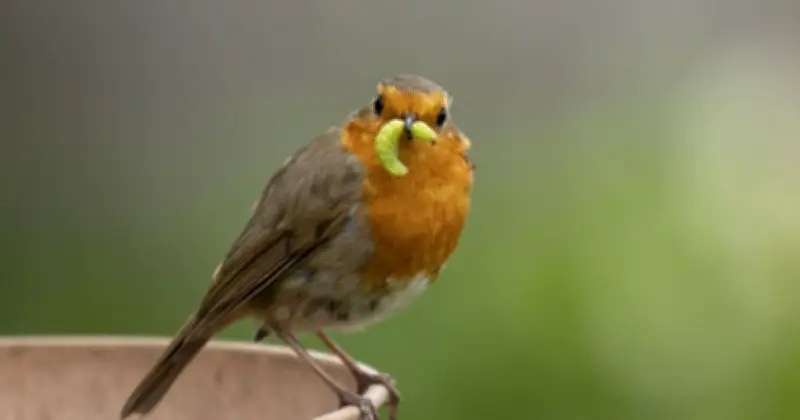
In winter, gardeners should focus on high-calorie foods, according to the RSPB, which recommends “high-energy, high-fat foods during cold weather”. Mealworms are particularly loved by robins, and their high protein content makes them ideal for building fat reserves. Suet pellets, insects, robin-friendly bird mix and fruit are also appreciated.
Providing shelter is also important, as robins need places to escape freezing temperatures. Dense shrubs, hedges, climbing plants and thick vegetation offer useful hiding spots. Leaving undergrowth, leaves and vegetation in the garden gives robins sheltered options to keep warm.