Britain's birds are adapting to milder winters by staying closer to their breeding grounds, with smaller species such as swallows and skylarks less likely to migrate long distances. This shift is most noticeable along the Somerset coast, where local birdwatchers have observed changing patterns in recent years.
Migration Strategies Vary by Species
Birds employ different strategies to survive the winter. Many smaller species, including swallows, swifts, cuckoos, chats, warblers, and flycatchers, avoid the cold entirely by migrating, with some flying all the way to sub-Saharan Africa. Others, like blackbirds and robins, typically stay put but may head south if they sense a cold spell, though most remain in south-west Britain or cross the Channel to France or Spain.
Local Observations Along the Somerset Coast
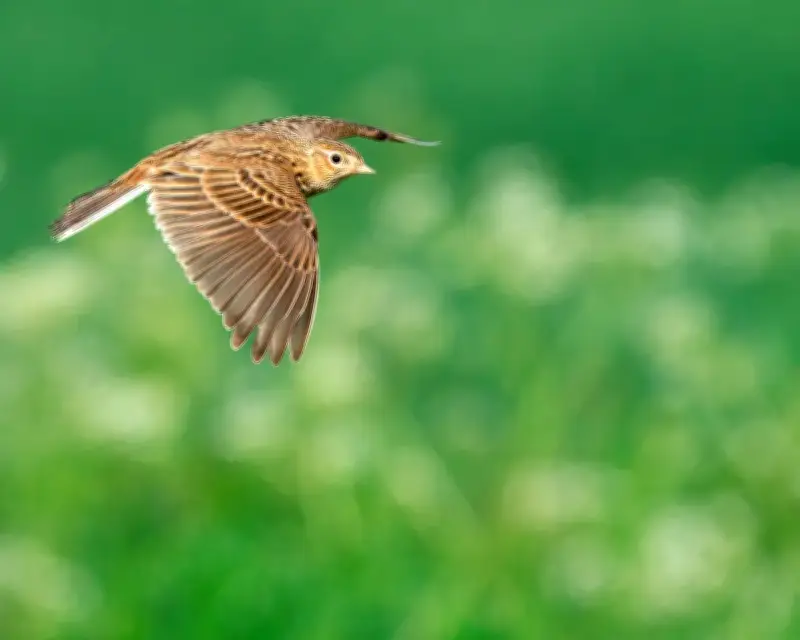
On the Somerset coast, skylark numbers are already building as these birds descend from the moors and hills to enjoy milder weather. On sunny days, they may sing snatches of song, a reminder that spring is only a few months away.
During autumn and winter evenings, vast numbers of starlings gather on the Avalon Marshes, roosting tightly in the reeds to avoid predators and keep warm. However, mild winters have led to much lower numbers in recent years, as continental European birds stay closer to their breeding grounds instead of heading west.