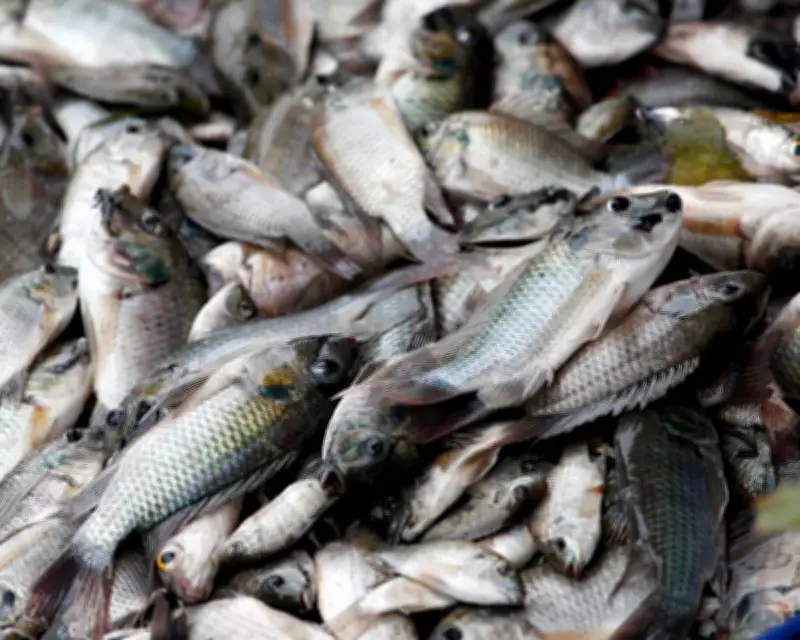
Blackchin tilapia, a fish native to West Africa, have been found in 19 provinces of Thailand, causing ecosystem damage and the decline of native species. The invasion has upended the livelihoods of shrimp farmers and coastal fishers, particularly in Samut Songkhram province, where the fish was first reported spreading in 2011.
Impact on Fisheries and Ecosystems
Local fisher Wallop Khunjaen was forced to abandon shrimp farming after blackchin tilapia ate nearly all of his million baby shrimp in just two months. “They ate everything. They ate the shrimp, they even ate the crab,” he said. Native fish species have become less common, and he no longer sees certain species like fiddler crab. The fish reproduce rapidly, with juvenile fish having a high survival rate, allowing them to quickly reassert themselves after control measures. They are adaptable, thriving in both brackish and freshwater conditions.
Control Measures and Challenges
Thai authorities have increased control measures: releasing Asian sea bass as a potential predator, developing sterile blackchin tilapia, and paying people to fish for them. Thousands of tonnes have been removed, according to officials. However, experts say eradication is impossible. “We have gone far beyond the point that we can return,” said Thotsapol Chaianunporn, assistant professor at Khon Kaen University. He advocates finding economic uses, such as animal feed or human consumption.

Culinary Experiments and Economic Potential
At Kor-Tae seafood restaurant in Samut Prakan, chef-owner Adisorn Jamsuksaward offers blackchin tilapia free to friends who request it. “People are hesitant, but once they try it – [they say] it’s delicious,” he said. However, he admits it is unlikely to become a bestseller. Some products like fermented fish sauce have been developed, but fishers say the fish is not profitable due to its vast quantities. Tongta Samtia, a trader at a fish market in Samut Prakan, tried to sell it but nobody bought it. “They don’t know how to eat it,” she said.
Monitoring and Future Threats
Researchers are developing advanced monitoring tools, including environmental DNA (eDNA) analysis, underwater facial recognition cameras, and acoustic tracking. Dean Jerry, distinguished professor at James Cook University, said eDNA sampling is the most powerful tool, allowing detection of specific species or entire fish communities. The source of the invasion is disputed; fishers have filed a lawsuit against agribusiness giant Charoen Pokphand Foods Plc, which imported 2,000 blackchin tilapia for breeding research in 2010 but says all were destroyed. The company rejects claims of responsibility.
The full ecosystem impact is unknown. Blackchin tilapia may degrade water quality as females dig pits for courtship, increasing sedimentation. They also feed on zooplankton, which controls algae blooms. “It’s a silent threat,” said Thanandon Charoenhiransaku, a fishing-net seller and fisher in Bangkok. “You don’t notice until it’s there.” He hopes the fish does not spread further or to Thailand’s neighbours.