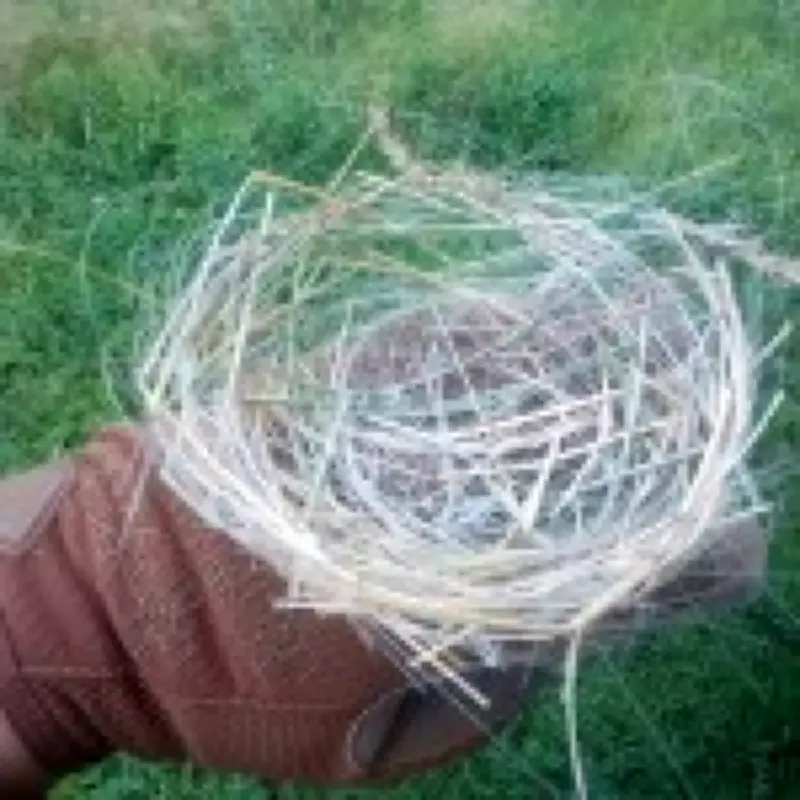
Birds in war-ravaged Ukraine are constructing nests using fibre optic cables that stretch across the country's front line. These ultra-thin wires, which can be up to 20 kilometres long, have turned much of the 746-mile front line into a glistening spider web, draping over buildings and tangling in trees. Both Ukraine and Russia have deployed these cables to prevent the other from jamming attack drones.
Discovery of nests
Yana Hrynko, a senior researcher at Kyiv's War Museum, confirmed that at least two such nests have been discovered so far. Experts have not yet identified which bird species built them or when they were constructed, and the nests have been sent for testing. 'Objects such as bird nests with fragments of optic fibre demonstrate the change in the nature of war,' Hrynko said.
Several nests have been found in frontline regions of Donetsk, Kharkiv and Zaporizhzhia in recent weeks, according to Ukrainian personnel who spoke to Reuters. A support battalion of the 12th Azov Brigade in the Torets direction shared a photo of one nest on Telegram last month, stating: 'This is just one of dozens of manifestations of how nature survives in the flames of war. Between hundreds of drones, assaults, shelling, and kilometres of scorched earth.'
Impact of war on nature
One nest was discovered after a Russian glide bomb knocked down a tree in Donbas. Olena Tregub, secretary general of the Ukrainian civil society group NAKO, described the pile of cables and grass as an 'apocalyptic bird nest'. UAnimals, a national animal welfare group, shared a video on Instagram that it said was posted by a Ukrainian soldier on his private social media. The group noted that fibreglass does not decompose, meaning it continues to strangle the Ukrainian landscape long after drones have left. 'But we must remember that the Russians are forcing us to wage a defensive war, and the responsibility for the wounded nature lies with our enemies,' UAnimals added.
Birds adapting to human-made materials
Ornithologists have raised concerns about birds increasingly using rubbish such as sweet wrappers, cigarettes and wires to build nests. This widespread behaviour indicates that birds, which evolved from tiny dinosaurs 150 million years ago, are quick to adapt to a world shaped by humans. Some researchers believe birds may pluck cigarette butts because the leftover nicotine could deter predators, and they have even been known to use anti-bird spikes as material.
An analysis of nests built over the last 30 years found that birds constructed nests out of face masks during the COVID-19 pandemic. Researchers noted that these materials are soft, almost like a mattress, for the birds. However, such rubbish may be dirty, and nestlings could ingest it, leading to sickness or death.
Expert analysis
Auke-Florian Hiemstra, a biologist based in Leiden, Netherlands, stated that Ukraine's cable-filled nest-building has both advantages and disadvantages. While birds may become entangled in the spools of cable, they might also use it to strengthen their nests. 'We're going to look for DNA traces still in a nest to determine who actually made the nest,' Hiemstra said, noting that one artificial nest has been sent to her team. 'I have never seen nests like this before – and I have seen many, many bird nests.'