Autumn's arrival has brought cold weather and falling leaves, but the changing season can also draw new life into gardens as birds return in search of food and water. According to the RSPB, many species are on their way back and can bring with them their songs.
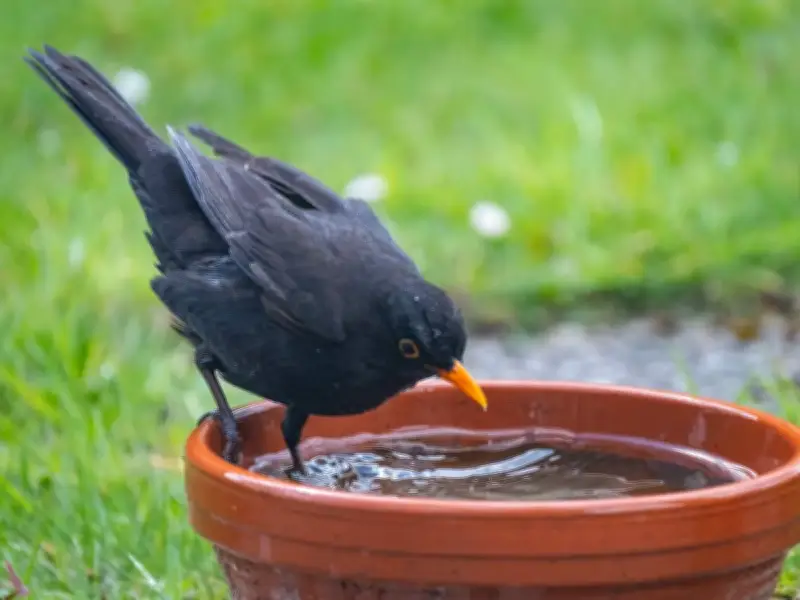
The charity said: "After what can seem like months, the regular rowdy garden crew is usually starting to return in greater numbers, hopping and flitting around in November after nature’s harvest begins to wane. The chatter of House Sparrows, the manic chirps of Blue Tits and the alarm calls of Blackbirds can rise up around your bird feeder if you keep it well stocked."
Unusual sightings possible
Beyond the familiar species, the RSPB said other birds might be spotted. It added: "There may be a more unusual sighting within your midst. Grab your binoculars and you might see Siskins and Lesser Redpolls among the usual suspects. Foraging flocks could even include rarities like Yellow-browed Warblers (November is the tail end of them passing through) and Firecrests."
Keeping a bird feeder well stocked can make a big difference in bringing bird song to a garden, but there are important rules to follow to avoid helping spread a potentially deadly disease. Trichomonosis is a fatal disease of the upper digestive tract in birds caused by the single-celled protozoan parasite trichomonas gallinae. It spreads directly via regurgitated food, parent-to-chick feeding or courtship, and indirectly through shared contaminated food and water sources like bird feeders and birdbaths.
Feeding guidance for colder months
People are advised to stop putting out seeds and peanuts during the peak summer and autumn risk months because it promotes the spread of trichomonosis among finches and other garden birds. However, over the cooler months the guidance changes to help give birds the high-energy food they need to survive in cold weather.
The RSPB said: "During the colder months, when natural food is more scarce and the risk from trichomonosis is lower, it’s okay to offer a full range of foods, including seeds and peanuts. Suet and mealworms are fine to feed all year round, but in colder months you can add seeds and peanuts too."
Recommended foods and safety tips
The RSPB said many birds eat a variety of foods including invertebrates, seeds, cereals and fruits. Recommended foods include mealworms, suet, peanuts, nyjer seeds, sunflower hearts, seed mixes, dried fruit, apples and pears, and berries. Dried fruit should only be put out in pet-free gardens, as raisins and sultanas are toxic to cats and dogs.
The charity also advised: "Remember to clean and move your feeders weekly, and retire bird tables and other flat-surfaced feeders. Only offer water if you’re able to change it daily, and use tap water, as it’s likely to offer more protection against disease."
For feeding from November 1 to April 30, the RSPB recommended putting out bird food and water through winter and spring, adjusting the quantity given to demand, and never allowing uneaten foods to build up. Food in feeders should be eaten in one or two days, and suet eaten within 7 days. When refilling feeders, remove any old food first and replace water daily.