Thousands of biting Asian ladybirds are swarming across the UK as the weather turns colder, with some homeowners finding their properties covered in the invasive insects.
The non-native harlequin ladybird, also known as the Asian beetle, was first spotted in Britain in 2004. Originally from Japan, the insects have now been seen in areas stretching from Cornwall to the North East of England.
Unlike native ladybirds, harlequins gather in large groups and often make their way into houses to hibernate over winter.
Homeowners report invasions
One homeowner in South Tyneside, Tyne and Wear, said his property had been overrun by the beetles.
“Absolutely inundated with those fake ladybirds,” he wrote on social media. “There are literally thousands all over my house.”
The insects are bigger than the native seven-spot ladybird and can bite humans, causing minor irritation and leaving a red mark, according to the Natural History Museum.
Threat to native species
They also pose a threat to native species, eating their larvae and competing for food such as pollen and nectar. Research by the UK Centre for Ecology and Hydrology suggests several native British ladybird species have declined since the harlequin first arrived.
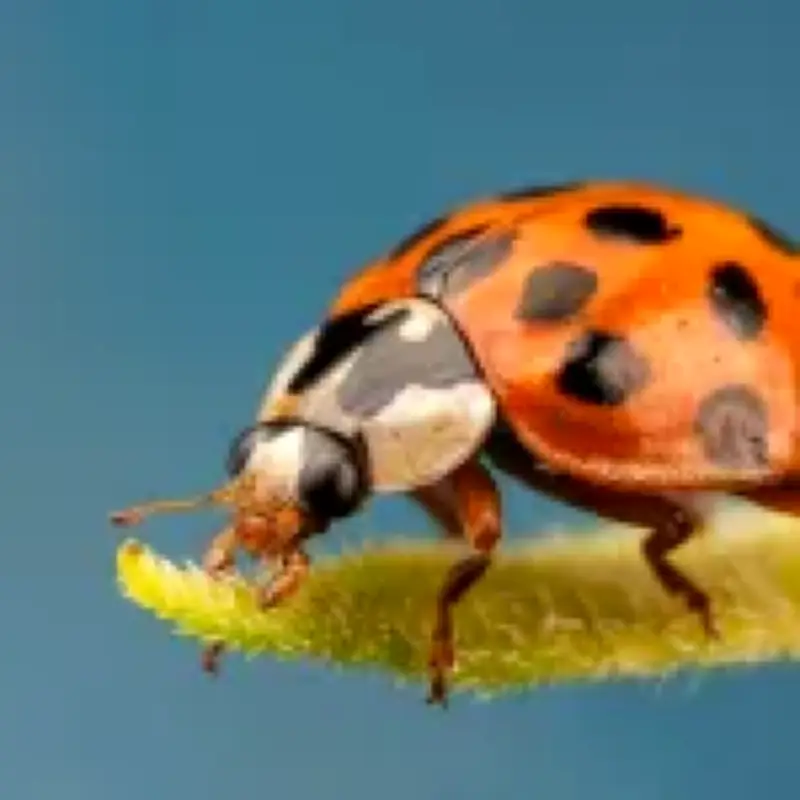
Max Barclay, senior curator of beetles at the Natural History Museum, said the invasive insects were “quite distinctive”. They come in a range of colours, from red with black spots to orange, and even black with red spots.
Mr Barclay said most harlequin ladybirds have orange undersides and legs, while native varieties tend to have black undersides and legs. The insects can also carry a fungal infection called laboulbenia, which affects ladybirds but cannot infect humans.
Adaptation to urban life
Harlequins were introduced to North America in 1916 to protect crops, as a single adult can eat up to 50 aphids a day. They later spread to Europe and have increasingly been spotted in South America and Africa.
While the beetles would traditionally hibernate in caves, hollow trees and other sheltered spots, they have adapted to urban life and now commonly gather inside homes. They do not damage buildings, but their yellow defensive liquid can stain walls and furniture, according to the British Pest Control Association.
The organisation recommends gently sweeping the insects into a dustpan rather than squashing them.
The invasion has also been spotted outdoors. A dog walker from Sunderland said she was “attacked” by a swarm while out walking, with a photograph showing at least 20 ladybirds crawling over her fleece.
“Has anyone else been attacked by the plague of ladybirds today!” she wrote on social media. “This is the craziest thing I’ve ever seen. I even had one on my face!”