Historic £90 Million Funding Pledged to Save England's Most Threatened Wildlife
In a landmark move to combat biodiversity loss, ministers have pledged £90 million to safeguard hundreds of England's most threatened native wildlife species from extinction. This funding, described by the Environment Department (Defra) as the largest-ever investment in species protection, aims to reintroduce or bolster populations of various animals across the country, addressing the UK's status as one of the most nature-depleted nations globally.
Distribution of Funds and Programme Details
The £90 million investment will be allocated across two key initiatives over the next three years. £60 million will be distributed through Natural England's species recovery programme, supporting hundreds of local projects focused on habitat restoration and species conservation. An additional £30 million is dedicated to the national forest estate, enhancing woodland ecosystems that are crucial for many endangered species.
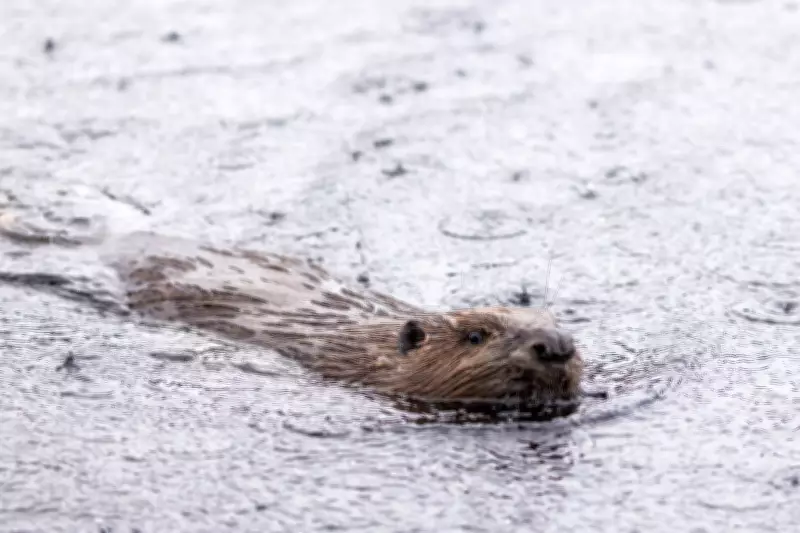
This comprehensive approach targets a wide range of animals, including birds, beavers, beetles, and other native wildlife facing severe population declines. The funding comes at a critical time, as wildlife populations in the UK have declined by approximately one-third since 1970, with one in six species currently at risk of extinction.

Addressing the Nature Crisis and Legal Targets
The investment directly supports the government's mission to reverse nature declines and meet stringent legal environmental targets. Key objectives include halting species decline by 2030 and significantly reducing extinction risk by 2042. By focusing on both local projects and national forest initiatives, the programme aims to create a more resilient and diverse ecosystem across England.
Environmental experts have welcomed the funding as a crucial step toward addressing the biodiversity crisis. The species recovery programme will enable conservationists to implement evidence-based strategies, such as habitat creation, predator control, and breeding programmes, tailored to the specific needs of each threatened species.
Broader Implications and Future Outlook
This historic funding announcement underscores the growing recognition of the urgent need to protect England's natural heritage. Beyond immediate conservation efforts, the initiative is expected to have positive ripple effects on ecosystem services, tourism, and public engagement with nature. As the programme rolls out over the next three years, monitoring and evaluation will be essential to ensure that the £90 million investment delivers tangible results in preventing extinctions and restoring wildlife populations.
The government's commitment represents a significant shift toward prioritizing biodiversity in policy-making, setting a precedent for future environmental investments. With continued focus and collaboration between agencies, communities, and conservation groups, this funding could mark a turning point in the fight to preserve England's unique wildlife for generations to come.