
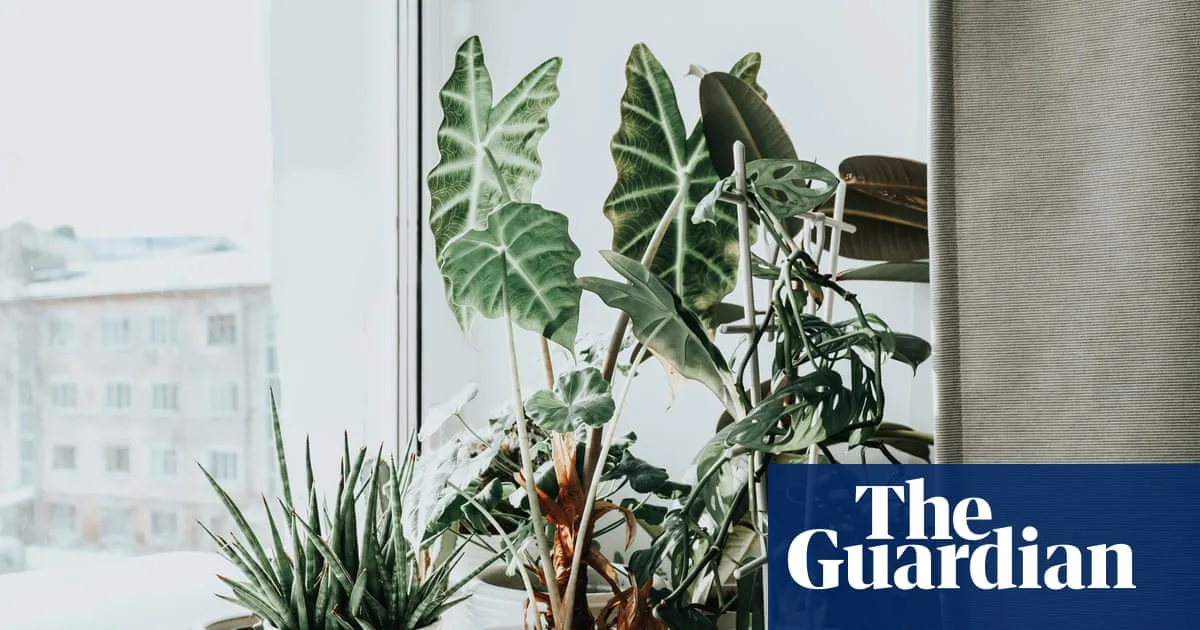
As soon as the central heating is switched on, houseplants often struggle. Warm, dry air strips moisture from leaves, dries soil faster, and turns cosy corners into arid microclimates. Many people mistakenly think radiator heat is similar to sunlight, but it isn't. Sunlight provides energy for photosynthesis, while radiator heat is dry, stagnant and relentless, closer to a slow cooker than sunshine.
Before turning on the heating, give your plants a seasonal reset. Move them away from radiators or vents, at least half a metre ideally. Group plants together to create a pocket of humidity, or place a bowl of water nearby to counteract dryness. Top-dress tired soil with fresh compost, trim off any yellowing leaves and wipe dust from the foliage so the plants can breathe. Water lightly, then let them rest in bright, indirect light to adjust before winter sets in.
You are easing them into a slower season. As daylight hours decrease, growth naturally slows, so plants need less food and water. By preparing them before the heating starts to blast, you minimise temperature shock and prevent that “slow-cooked” dehydration that sneaks up indoors.
Last year, one gardener skipped this ritual and their calatheas crisped within weeks. This autumn, after a gentle reset and relocation, they are thriving. Leaves are supple, no brown edges in sight.
A small pre-heating ritual prevents plant carnage. Prepare them now, and you won’t spend winter watching your greenery cook.




