
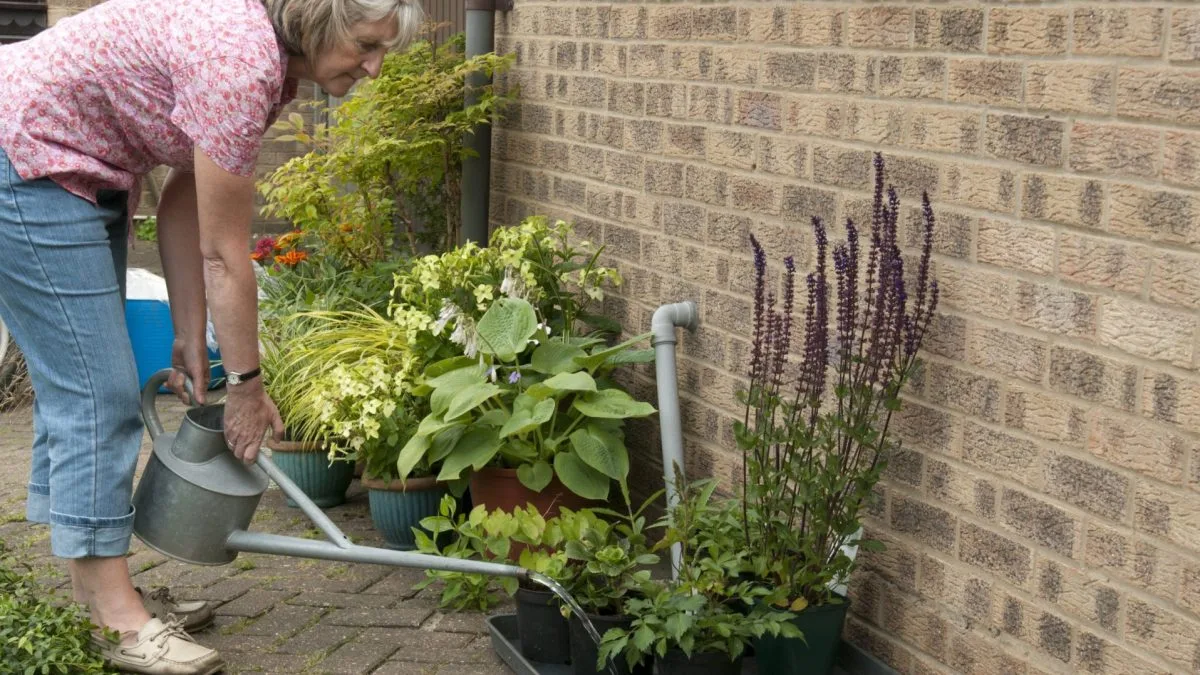
As drought conditions are declared in parts of Britain and temperatures soar, gardeners are being urged to adopt water-saving strategies. The Royal Horticultural Society (RHS) chief horticulturist Guy Barter advises that simple measures can make a significant difference in keeping gardens healthy during dry spells.
Mulching is one of the most effective techniques. A 7cm layer of bark, garden compost, or rotted manure applied after watering or rain helps retain soil moisture, protects roots from heat, and suppresses water-stealing weeds. Over winter, worms incorporate the mulch into the soil, improving its long-term moisture-holding capacity. Avoid digging in summer, as disturbed soil loses precious water; save any digging for autumn.
Watering wisely is crucial. Evening or early morning watering reduces evaporation, while sprinklers are highly inefficient and best avoided—especially on lawns, which can be left unwatered as they will recover when rain returns. For established plants, a thorough soak every five to ten days is better than frequent light watering. Use collected rainwater or recycled kitchen and bathroom water where possible, and create earthen 'ponds' around plants to ensure water penetrates the soil. Check absorption with a trowel two hours after watering.
Choosing drought-tolerant plants can reduce water dependency. Suitable species include ceanothus, cistus, lavender, rosemary, salvias, and ornamental grasses. For dry shade, consider epimedium, liriope, or periwinkle. Move containers like hanging baskets into shade to reduce thirst, group pots together, and stand them on saucers to capture runoff. Wilted pots can be revived by soaking in a tub of water, then draining and placing in shade until they recover.
Established trees and shrubs are naturally resilient due to their deep roots, but those planted in the last two years need extra care. Keep a metre-wide weed-free zone around them, apply mulch, and water thoroughly every two weeks if needed. Badly wilted specimens can be lifted, soaked in a bucket, and replanted. Watering bags are a labour-efficient solution. Finally, keep water butts half-full to capture summer downpours, as July often brings unexpected storms that can replenish supplies.




