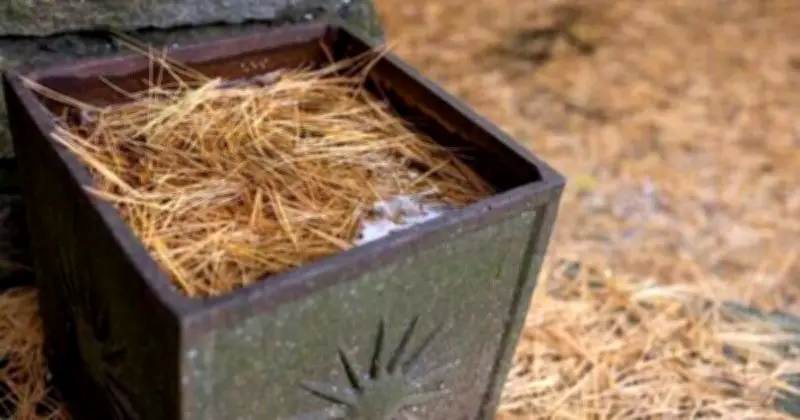
Fallen pine needles in gardens should not be swept up, as they offer a range of benefits including suppressing weeds and protecting plants from cold weather.
Native to Britain, the Scots pine thrives in a wide range of conditions and soils, forming natural boundaries between open areas. As winter approaches, gardeners and homeowners may find the fallen needles a bit bothersome, as they create a spiky layer on the ground.
Natural Weed Suppression and Moisture Retention
However, these fallen pine needles are remarkably effective at suppressing weeds and offer gardeners a completely natural, cost-free solution. Although pine trees are often associated with the smaller varieties displayed indoors and decorated at Christmas, their full-sized counterparts benefit the garden throughout the year.
Pine needles are a renewable, readily available natural herbicide that limits unwanted invasive plants and protects greenery from pesky weeds and potential damage.
According to the Epic Gardening website, "Pine needles make excellent mulch in many locations. Applying them a few inches deep prevents weeds, conserves moisture, and decreases erosion. Plus, their waxy coating makes them slow to break down, so you only have to apply them once per year."
Frost Protection and Insulation
Pine needles also help the soil retain moisture and stay damp. During the British winter, they can protect plants from frost and extreme temperatures by acting as a natural insulating layer that helps them withstand the cold.
With Christmas approaching, it is also worth considering that a discarded Christmas tree can offer multiple benefits to other vegetation in the garden.
According to the specialists at Kew Gardens: "The Norway spruce is a tough cookie. A fast-growing conifer, these trees are frost-hardy, with thick bark to protect them from the cold and waxy needles which prevent water loss. Tough pine cones protect the seeds during harsh winters."