Easter Recycling Errors Could Lead to £80 Fines for UK Households
Easter Recycling Mistakes Risk £80 Fines for Householders

Easter Recycling Blunders Could Cost Householders £80 in Penalties

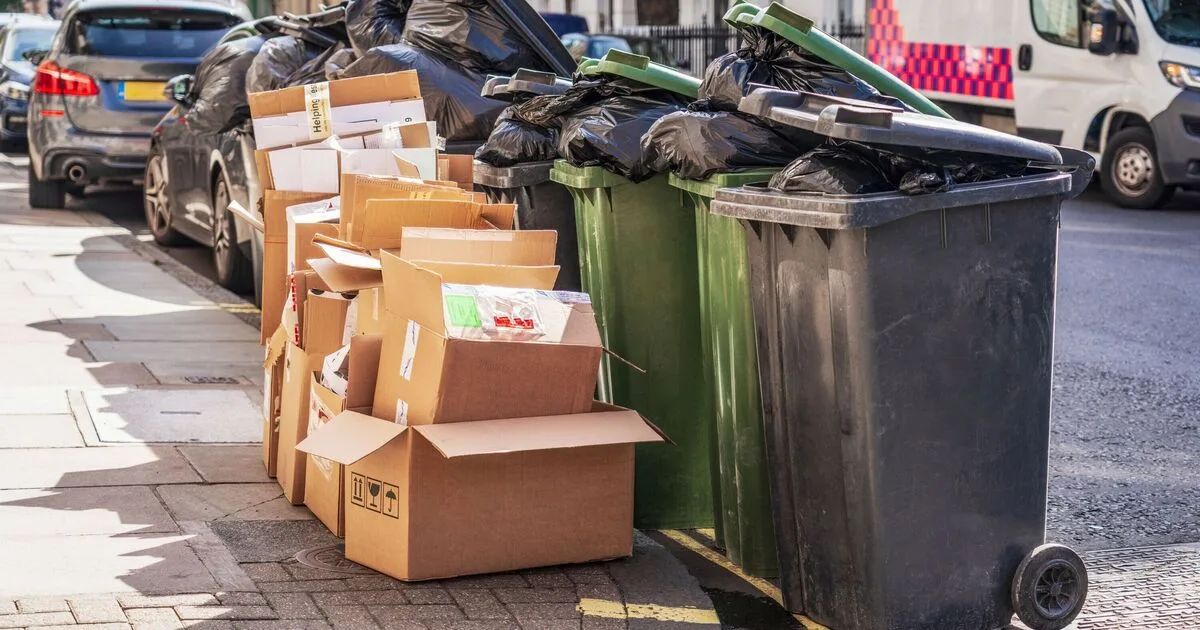
Householders across the United Kingdom face the prospect of substantial fines for incorrect waste disposal, with fixed penalty notices reaching up to £80 for recycling errors. This financial risk emerges as research indicates that almost half of all adults struggle to identify what items belong in which bin, creating widespread confusion during periods of increased waste generation like Easter.

Widespread Confusion About Recycling Guidelines

New data reveals that approximately 50% of British adults find it challenging to distinguish between recyclable and non-recyclable materials. This knowledge gap becomes particularly problematic during festive seasons when households typically produce more waste. With Easter approaching, consumers are expected to purchase approximately 381.5 million chocolate eggs, significantly increasing packaging waste that requires proper disposal.

Kelvin Croney, Group Chief Commercial Officer at commercial waste management firm Waste Managed, emphasized the urgency of the situation. "Recent research shows just under half of UK adults have difficulty determining what is and isn't recyclable," Croney stated. "This is especially concerning around occasions like Easter when we generate substantially more waste. While these holidays should be enjoyed, I urge everyone to consider the environmental impact of their waste habits."

Wide Pickt banner — collaborative shopping lists app for Telegram, phone mockup with grocery list

Understanding the Penalty System

For residential waste, local authorities bear responsibility for providing clear guidance about acceptable materials for each waste stream. Penalties for incorrect disposal constitute civil penalties rather than criminal fines, with fixed penalty notices typically ranging between £60 and £80. Importantly, these notices can only be issued following a written warning and when incorrect waste presentation creates a genuine problem.

Businesses face separate regulations under the Environmental Agency's oversight. Since February, non-compliant businesses and non-domestic premises in England face charges of £118 per hour for enforcement actions related to Simpler Recycling requirements. Local authorities also establish their own rules for commercial entities, with prosecution and fines awaiting those who fail to comply.

Common Easter Recycling Mistakes and Solutions

Food Waste Disposal Challenges

Statistics indicate that UK households discard approximately 12.7 million eggs each Easter alongside 10.5 million hot cross buns and chocolate bunnies. Additionally, 67% of adults report having leftover meat after Easter Sunday meals, with 7.7 million roast potatoes going to waste. Primary reasons include overestimated portion sizes, food spoilage, and inadequate storage space.

"Food waste represents one of the most damaging forms of waste we produce," Croney explained. "It's environmentally harmful, economically costly, and socially unethical. Vast quantities of land, water, and energy go into food production, yet excessive amounts end up discarded while many people struggle to access adequate nutrition."

Croney recommends practical solutions such as planning meals ahead, purchasing only necessary quantities, and creatively utilizing leftovers. For Easter-specific items, he advises storing chocolate in cool, dry locations away from direct sunlight, as refrigeration can compromise flavor through absorption of other food odors.

Decorated Eggshell Complications

Egg decorating remains a popular Easter tradition across Britain, but painted or heavily dyed eggshells present disposal challenges. While plain eggshells can typically be composted or placed in food waste bins, decorated versions may introduce non-organic contaminants that interfere with composting processes.

"Food waste and compost systems are designed for natural organic materials that decompose easily," Croney noted. "Once eggshells receive coatings of paint, varnish, or non-food dyes, they can contaminate the entire system. If uncertainty exists about decorated eggshells' suitability, placing them in general waste bins represents the safer option to prevent recycling stream contamination."

Pickt after-article banner — collaborative shopping lists app with family illustration

Packaging Variations Across Regions

Although most Easter egg packaging features recyclable materials, acceptance varies significantly between local authorities. Cardboard boxes and clean foil enjoy widespread recyclability, but proper preparation—including flattening to conserve space—remains essential.

"Easter egg packaging has improved considerably in recent years, with retailers reducing unnecessary materials and enhancing recyclability," Croney observed. "However, this progress doesn't mean everything automatically belongs in recycling bins. Always check packaging labels and consult local council guidance, as regulations differ across the UK."

A common problematic item involves the thin plastic moulds securing chocolate eggs. These often prove too small or flimsy for standard recycling machinery, meaning they typically require disposal with general waste rather than recycling streams.

Croney concluded with practical advice: "Small actions genuinely make substantial differences. By understanding recycling guidelines, planning consumption carefully, and disposing of materials correctly, households can avoid penalties while contributing to environmental sustainability during Easter celebrations and throughout the year."




