
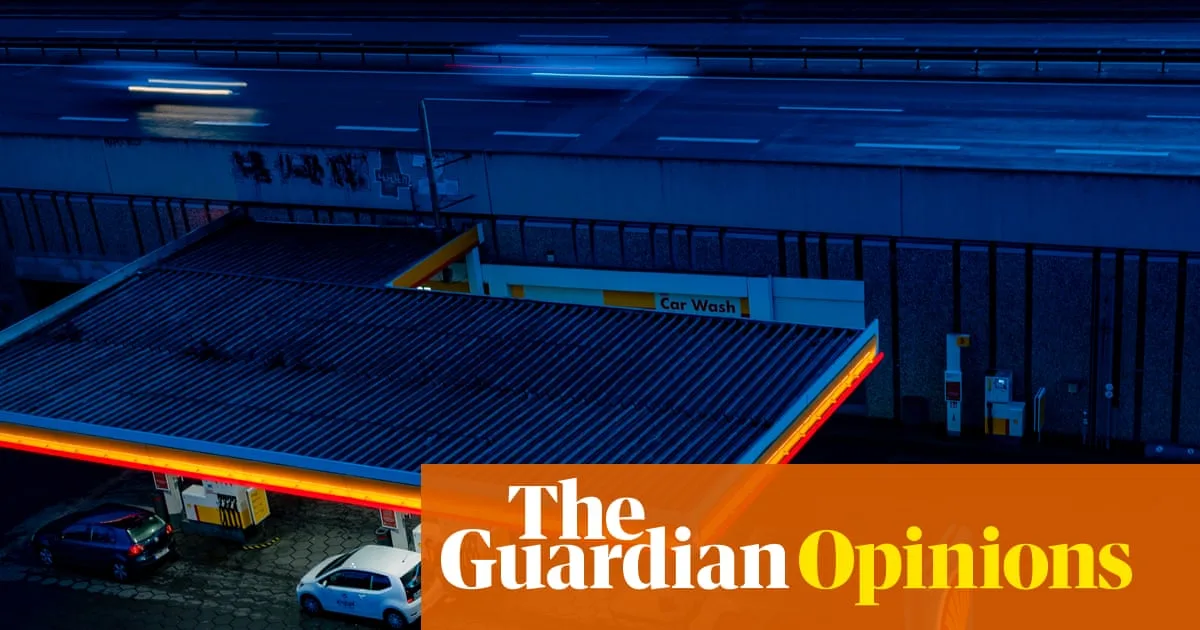
Since the onset of the US-Israel war on Iran, Germany has faced soaring fuel prices, with diesel briefly exceeding €2.40 per litre—a 50% increase year-on-year. The crisis has exposed the fragility of the European economy and the hypocrisy of German energy policy, according to Tania Roettger.
Friedrich Merz's coalition government, comprising the CDU, CSU and SPD, has responded by doubling down on fossil fuels. New subsidies and laws that could defund renewable projects have been introduced, despite earlier crises like Covid and Russia's war on Ukraine that should have taught lessons about energy dependency.
Energy Minister Katherina Reiche, a former CEO of Westenergie AG, has questioned the EU's net-zero by 2050 target, suggesting the bloc might miss it by 5-10%. She has halted wind and solar farm construction, cut subsidies for private solar modules, and proposed new gas plants, while opposing a tax on excess oil company profits.
This reversal contrasts with European Commission President Ursula von der Leyen's call for a green transition, noting that ten days of war cost EU taxpayers €3bn in fossil fuel imports. Critics see Reiche's background as too close to the fossil fuel industry, and environmental groups are alarmed by the policy shift.




