Maximising Solar Panel Lifespan: A Comprehensive Guide to Maintenance and Repair
Solar panels are a crucial investment in renewable energy, but to ensure they deliver optimal performance over their expected lifespan, regular maintenance and timely repairs are essential. Proper care can significantly extend the durability of your solar system, maximising energy output and financial returns. This guide provides detailed strategies for maintaining and repairing solar panels, helping you make the most of your time in the sun.
Routine Maintenance Practices for Solar Panels
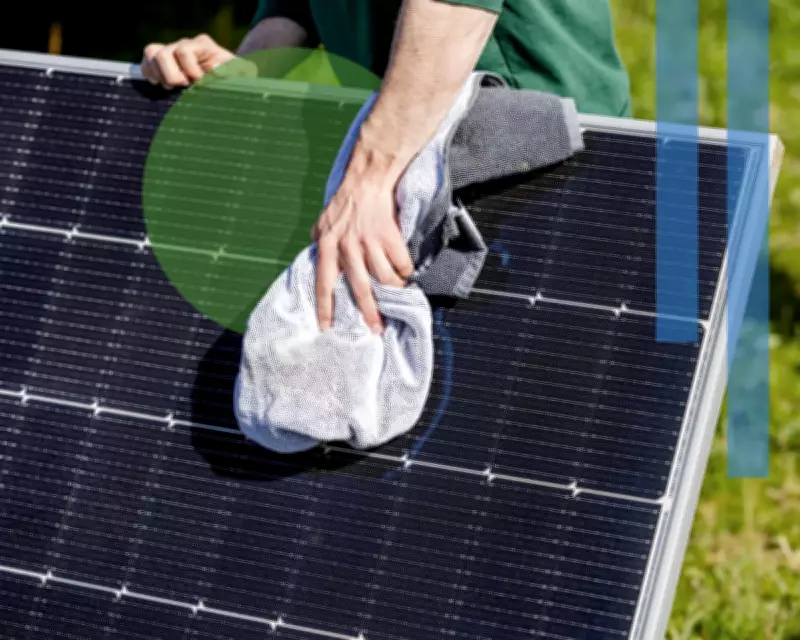
Regular maintenance is key to preventing issues and maintaining efficiency. Start with visual inspections every few months to check for obvious damage, such as cracks, discolouration, or debris accumulation. Cleaning is another critical aspect; dust, dirt, and bird droppings can reduce energy production by up to 20%. Use a soft brush or cloth with water, avoiding harsh chemicals or abrasive materials that could scratch the panels. In areas with heavy pollution or frequent storms, more frequent cleaning may be necessary.
Additionally, monitor the system's performance through energy output data. A sudden drop in production could indicate a problem, such as shading from new vegetation or faulty wiring. Trim any overhanging branches and ensure mounting hardware remains secure. For safety, always turn off the system before performing any maintenance and consider hiring professionals for tasks involving electrical components.

Common Repair Issues and How to Address Them
Despite best efforts, solar panels may require repairs over time. Common issues include micro-cracks, hot spots, and inverter failures. Micro-cracks, often caused by thermal stress or physical impact, can reduce efficiency and lead to larger cracks if left untreated. Hot spots occur when parts of a panel overheat due to shading or cell defects, potentially causing permanent damage. In such cases, professional assessment is recommended to determine if panel replacement is needed.
Inverter problems are another frequent concern, as inverters convert solar energy into usable electricity. Signs of failure include error messages or no power output. While some minor issues can be reset, complex repairs should be handled by certified technicians. Wiring and connection checks are also vital; loose or corroded connections can disrupt the entire system. Regular professional inspections, ideally annually, can catch these problems early, preventing costly downtime.
Professional vs. DIY Approaches to Solar Panel Care
While basic maintenance like cleaning can often be done DIY, repairs typically require professional expertise. Attempting complex fixes without proper training risks voiding warranties or causing safety hazards, such as electrical shocks. Professionals have the tools and knowledge to diagnose issues accurately, from testing individual cells to assessing overall system health. They can also ensure compliance with local regulations and manufacturer guidelines.
For maintenance, consider scheduling professional cleanings if panels are hard to access, such as on high roofs. Many solar providers offer maintenance packages that include inspections and repairs, providing peace of mind. Ultimately, a balanced approach—combining DIY upkeep with expert interventions—can maximise your solar investment, ensuring panels last for decades and continue to harness the sun's energy efficiently.