
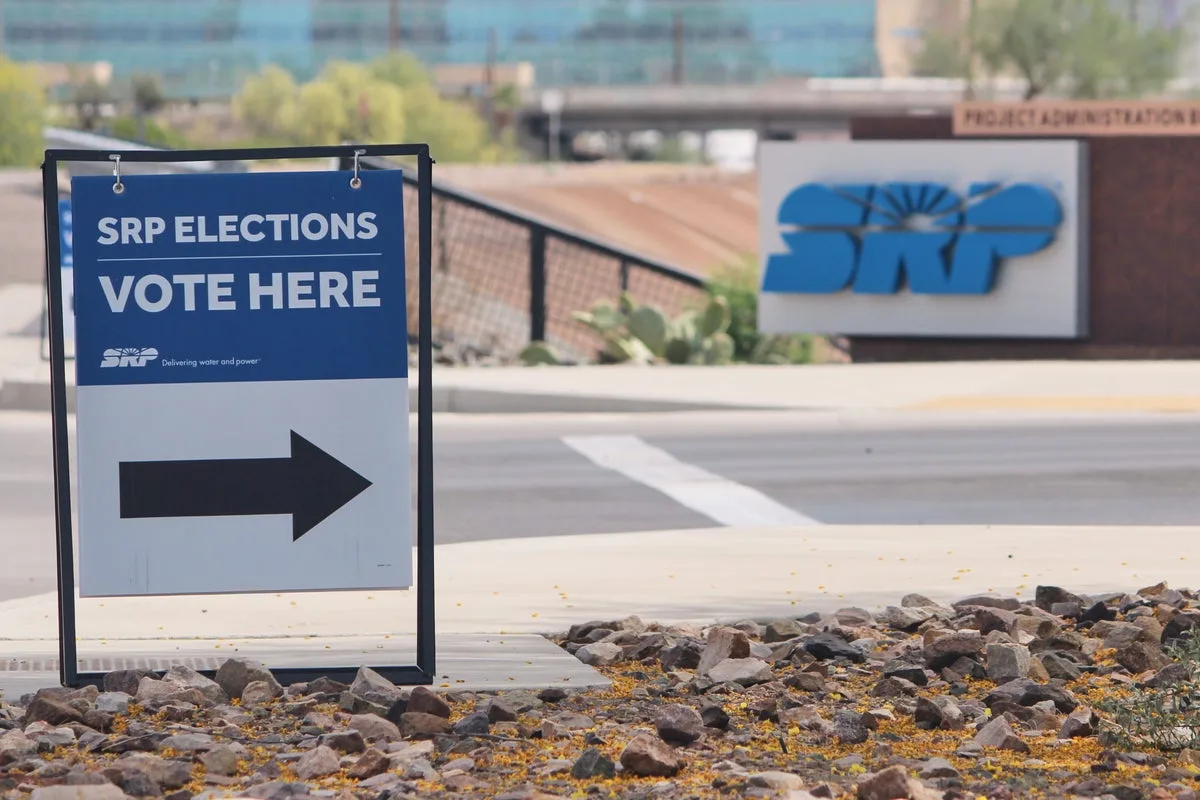
Renewable energy advocates in Arizona have made gains in the election for the board of the Salt River Project, the largest public power utility in the United States. The results, released on Tuesday, show that the clean energy slate secured two additional seats on the 14-member board, giving them an 8-to-6 majority on voting matters.
However, the business-backed incumbents retained the positions of president and vice president, maintaining control over the agenda and which issues are brought to a vote. This outcome means that the two rival slates will need to negotiate compromises on key issues such as rate increases and the balance between natural gas and renewable energy sources.
The election saw heightened interest from voters amid rising household electricity prices and growing opposition to large data centers in the state. The clean energy advocates, who have previously voted against major natural gas projects and a rate increase, argue that the current majority is too quick to embrace natural gas, raise rates, and accommodate data centers.
Randy Miller, a renewable energy advocate on the board, expressed mild disappointment at not winning the top positions but noted that the majority now forces negotiation. The utility projects it needs to double its power capacity within a decade and faces pressure to reduce reliance on fossil fuels.
Backers of the incumbents warn of potential energy shortages and blackouts if natural gas is not part of the mix. The election also drew attention from Turning Point Action, a conservative group that opposed the clean energy slate, labelling them as 'radical environmentalists.'




