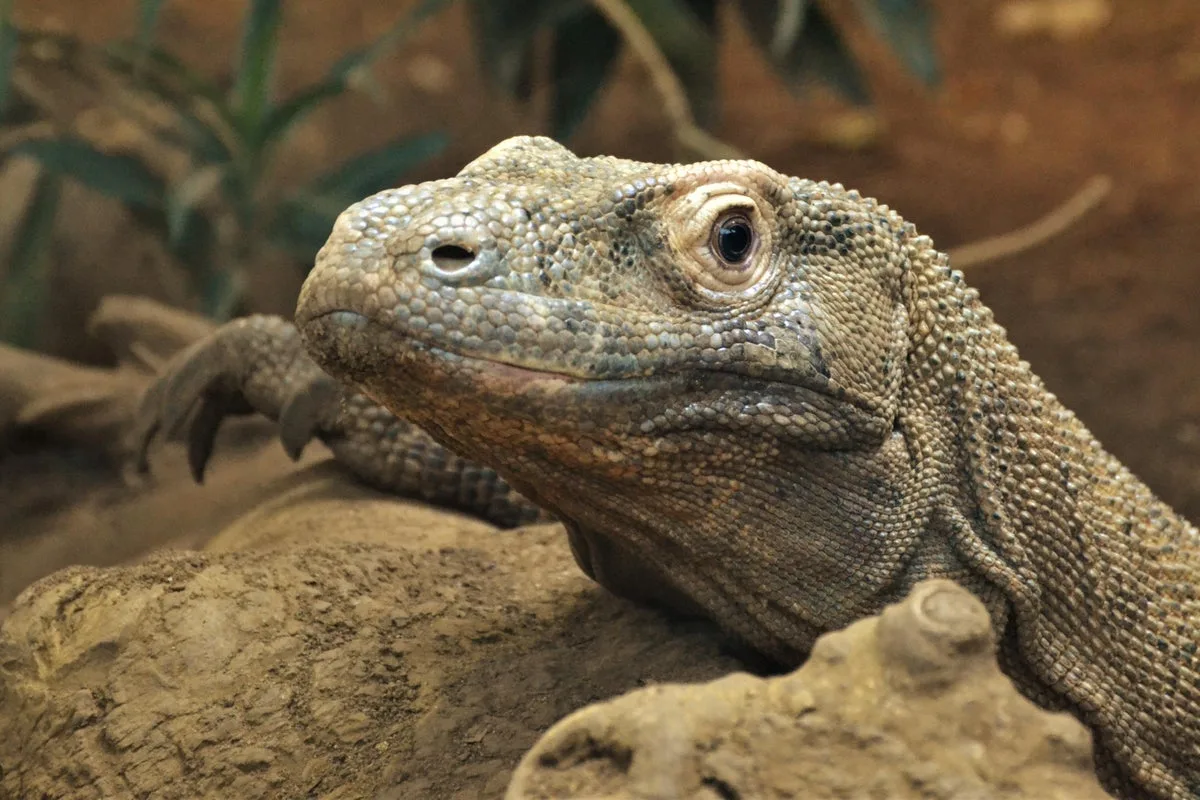
Indonesia is set to loan two endangered Komodo dragons to Japan's Shizuoka prefecture, with the aim of establishing a breeding programme for the rare reptiles. In exchange, Japan will send red pandas and giraffes to the Southeast Asian nation, an official confirmed on Monday.
Ahmad Munawir, a conservation official at Indonesia's Forestry Ministry, told Reuters that a male and a female Komodo dragon would be dispatched to a zoo in Shizuoka. In return, the prefecture will provide Indonesia with several animals, including red pandas and giraffes. The agreement was formalised last week, preceding a visit to Japan by President Prabowo Subianto.
Government data indicates that Indonesia currently hosts more than 3,000 Komodo dragons, the largest lizards in the world, growing up to around three metres long. They have a yellow forked tongue and a venomous bite. Japan's TV Shizuoka has reported the two dragons would arrive as early as June for the breeding programme, after a business-to-business agreement is signed by the zoos involved.
In 2021, the Komodo dragon was moved from the International Union for Conservation of Nature (IUCN) vulnerable list to its list of endangered species. The first peer-reviewed paper on how global warming would affect the giant lizards concluded last year that urgent conservation actions are required to avoid risk of extinction. The lizard's inability to live on land higher than 700 metres above sea level means that its numbers are at severe risk from rising sea levels.
While the subpopulation in Komodo National Park is currently stable and well protected, their habitat on the Indonesian island of Flores is believed to have shrunk by more than 40 per cent between 1970 and 2000, the IUCN has warned.