Elon Musk's xAI Data Centers Trigger Air Pollution Alarms in Mississippi
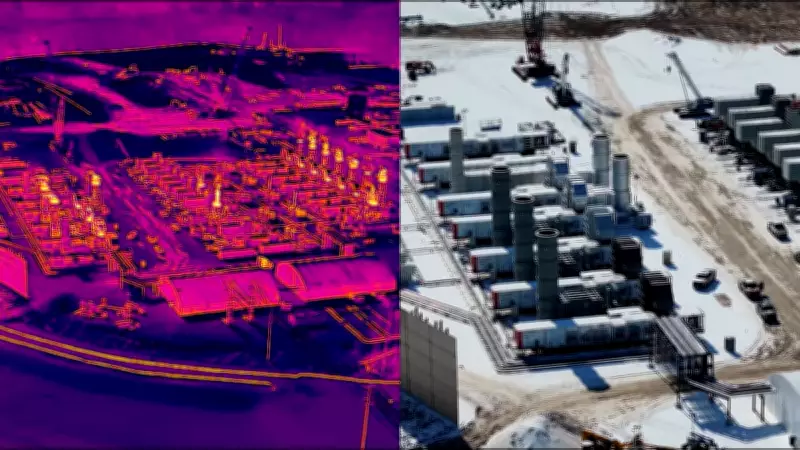
Elon Musk's artificial intelligence venture, xAI, is facing mounting scrutiny as its data centers in Mississippi come under fire for contributing to significant air pollution. The facilities, which power advanced AI systems, are reportedly emitting high levels of pollutants, sparking concerns among environmental groups and local residents about potential health and ecological impacts.
Environmental Impact of Energy-Intensive AI Operations
The data centers, essential for running xAI's complex algorithms, consume vast amounts of electricity, often sourced from fossil fuels. This energy demand leads to increased emissions of harmful substances such as particulate matter and nitrogen oxides, which can degrade air quality and pose risks to public health. Critics argue that the rapid expansion of AI infrastructure, without adequate environmental safeguards, could exacerbate pollution problems in the region.
Local communities in Mississippi have expressed worries about the long-term effects of this pollution, including respiratory issues and environmental damage. Environmental advocates are calling for stricter regulations and more sustainable energy solutions to mitigate the impact of these data centers.

Broader Implications for AI and Environmental Policy
This situation highlights a growing tension between technological advancement and environmental sustainability. As AI companies like xAI push the boundaries of innovation, their energy-intensive operations raise questions about the industry's carbon footprint. Experts suggest that without proactive measures, such as adopting renewable energy sources or improving efficiency, the environmental costs could outweigh the benefits of AI development.
The controversy in Mississippi serves as a cautionary tale for other regions hosting similar facilities, urging policymakers to balance economic growth with ecological protection. Stakeholders are now debating how to integrate green practices into the tech sector to prevent future pollution crises.