Croatia has officially announced the creation of a new protected nature park, located approximately an hour from the capital city of Zagreb. This scenic area, now designated as the Zagorje Mountains Nature Park, will feature an extensive network of picturesque hiking trails and aims to safeguard the region's rich biodiversity.
Expanding Croatia's Protected Landscapes
In a recent meeting, Croatia's Ministry of Environmental Protection and Green Transition confirmed the establishment of the country's 13th protected landscape. The Zagorje Mountains Nature Park spans over 115 square miles across Krapina-Zagorje and Varaždin counties, encompassing numerous mountains and hills. This designation elevates the total protected area in Croatia to more than 38 percent of the nation's territory.
Key Features of the Park
The park includes several prominent mountains that have long attracted outdoor enthusiasts. Ivanščica, the largest mountain in the region, offers winding trails and expansive flower meadows. Hikers can ascend to an altitude of 1,060 metres, where on clear days, views extend to the Slovenian Alps and even as far as Hungary.

Mountaineering is also popular on Strahinjščica and Maceljske, both forested peaks with trails through densely-packed trees. Ravna mountain, standing at 686 metres tall, is situated in the upper basin of the river Bednja and is considered the last branch of the Alps. Visitors often spend weekends in mountain lodges here, enjoying hiking trails or utilizing its two paraglider take-off points.
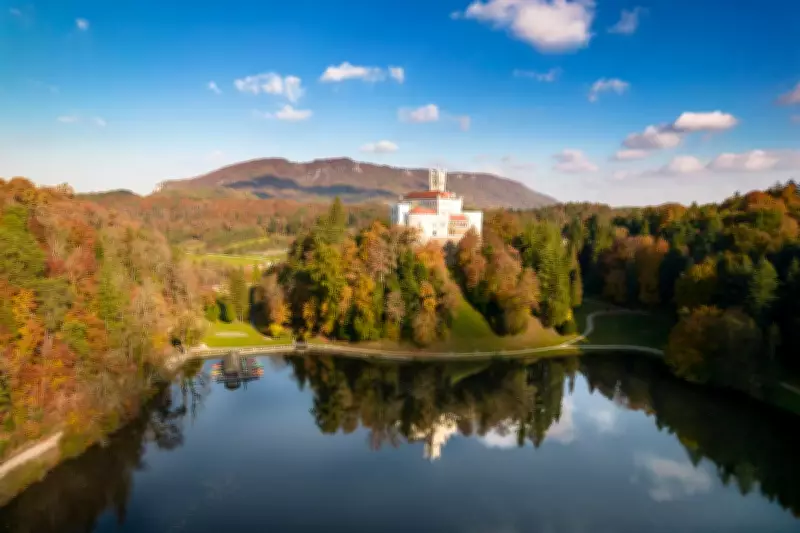
Ravna's lookout point provides an exceptional view of Trakošćan Castle, a 13th-century structure regarded as one of the best preserved and most beautiful castles in Croatia. Hiking trails from the mountain lead directly to this historic site.
Biodiversity and Conservation Efforts
While the Zagorje region has historically drawn visitors for its natural beauty, the new park designation will enhance conservation efforts. The ministry reports that around one-fifth of Croatia's total flora has been recorded within the park, including 1,200 species and subspecies, with 12 being native. Additionally, more than 30 native animal species have been identified in the area.
The park's establishment underscores Croatia's commitment to preserving geodiversity and protecting vulnerable ecosystems. The Zagorje region, known for its rolling green mountains and hills, also features fairytale-like castles, rural villages, and thermal spa resorts, making it a multifaceted destination for nature and culture enthusiasts alike.