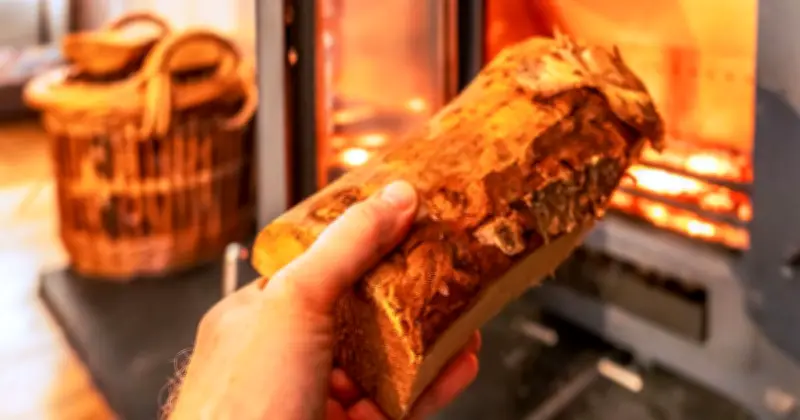
A fresh call has been made for a rule change on wood burners, with a plea to rip out old appliances from homes. The Stove Industry Association (SIA), which represents the financial interests of manufacturers and retailers of solid fuel appliances including wood burners, is calling on the Government to look at removing and replacing old wood burners as a key 'intervention'.
The spotlight has recently been shone on wood burners, with scrutiny placed on the solid fuel burners due to their apparent links to various health conditions, and the pollution that they contribute to the environment. Labour, in its Environmental Improvement Plan (EIP), has called out solid fuel burning as an area to be further assessed.
Environmental Improvement Plan highlights solid fuel concerns
The EIP states: "The burning of solid fuels is a large contributor to national emissions of fine particulate matter (PM2.5) and is a major source of air pollution, especially in urban areas. The World Health Organisation considers PM2.5 the most harmful pollutant to human health (air pollution is responsible for 6.7 million premature deaths every year, World Health Organisation (WHO) 2025)."
Today (November 12), the SIA said: "In the run-up to this year’s Clean Air Night campaign on November 17, the SIA believes a targeted replacement scheme, supported by Government and delivered in partnership with local authorities, could help households move away from older, less efficient appliances towards modern, Ecodesign-compliant stoves. Such an approach would provide an opportunity to address emissions from domestic burning, while supporting households with more efficient heating options."
SIA calls for targeted replacement scheme
Erica Malkin, Executive Director of the SIA, said: "Improving air quality’s very important, but it requires practical, evidence-led action. We believe that helping households move away from older appliances and open fires towards modern, more efficient alternatives should be recognised as part of the solution."
Malkin added: "Local authorities are well placed to understand the particular challenges facing their communities. With appropriate Government support, they could help identify priority areas and households where targeted intervention could make a meaningful difference to air quality."
Labour’s EIP also adds: "We will consult on further measures to reduce emissions from domestic burning… Consult on new measures that cut emissions from domestic combustion, whilst minimising the impact on those that need to burn and respecting traditional celebratory festivals such as Bonfire Night and Diwali."
Danish research shows emissions reductions
Research published by the Danish Environmental Protection Agency, which followed 25 households over three heating seasons between 2020 and 2023, examined a range of measures including appliance replacement, chimney improvements, filters and advice on stove operation. Direct chimney-emission measurements taken at nine households before and after the interventions found that the combined measures reduced average particle emissions by 40%. In two households where older stoves were replaced, particle emissions fell by 29% in one home and 72% in the other, says the SIA.
The SIA adds: "Although the replacement findings relate to just two households, they demonstrate the potential for significant reductions in particulate emissions when older appliances are upgraded, alongside appropriate installation and advice on responsible operation."
Malkin continued: "Air quality and fuel poverty are both important challenges for local communities. A targeted approach, which recognises the differences between older appliances, open fires and modern stove technology, could help address both. We’re asking the Government to recognise that supporting households to upgrade older appliances is a legitimate and workable policy intervention, and to work with local authorities and the industry to explore how this could be put into practice."
She concluded: "Clean Air Night provides an opportunity to move the conversation beyond the problems, and focus on practical measures that can actually make a difference. We believe targeted appliance upgrades, supported by clear advice on appropriate fuel and responsible stove use, should be part of that conversation."