Parts of the UK are under a 'code red' air pollution alert following last week's Bonfire Night celebrations, with several regions scoring 10/10 on the pollution scale.
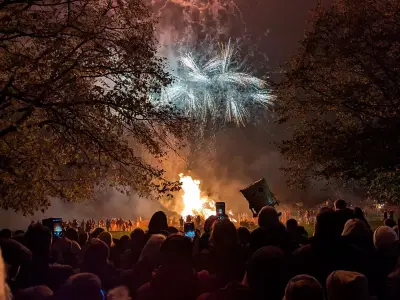
Thousands of firework displays, both professional and amateur, lit up the night sky before, during and after November 5, while large bonfires also appeared in towns and cities to mark the failed Gunpowder Plot of 1605.
Fireworks and bonfires damage air quality
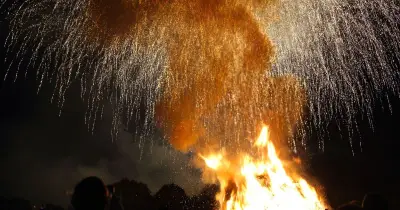
Weather apps have revealed that the fireworks, which contain a mix of fuels, oxidisers, binders and metal salts, have had a significantly negative impact on the UK's air quality. Bonfires also release toxic gases and chemical pollutants that degrade air quality and irritate the respiratory system.
Parts of the country have ranked 'high' on air pollution ratings, with people told they may experience 'discomfort' due to the conditions.
Regions with highest pollution levels
According to the UK Air Information Resource (DEFRA), several regions are experiencing particularly severe air quality due to the recent festivities. The Department for Environment, Food and Rural Affairs has updated its UK AIR map to show the extent of the damage.
The North West, Merseyside, London, the South East and 'Eastern England' scored 10/10, or 'very high,' on the pollution scale. Yorkshire and Humberside and the East Midlands scored the next highest at 9/10, while the West Midlands sits at 8/10. These scores are accompanied by red or purple colour codes, which equate to 'high' or 'very high' pollution levels.
Weather conditions and health warnings
Alongside the Bonfire Night festivities, the Met Office acknowledged that light winds had caused pollution to build up, particularly near busy roads, urban centres and places where dense fog was slow to clear.
Simon Birkett, founder and director of Clean Air London, warned on X: 'Widespread EXTREME AIR POLLUTION across UK. People have blasted fireworks into the fog for days to create a deadly smog full of toxic metals, smoke and other particles.'
Dr Matt Swallow from Asthma + Lung UK cautioned that 'bonfire smoke, fireworks pollution and chilly air can trigger breathing difficulties.' He emphasised precautions such as standing away from smoke and following medical advice.
Public Health England warns that poor air quality is linked to a range of health issues, being the 'largest environmental risk to public health in the UK.' It explains that 'long-term exposure to air pollution can cause chronic conditions such as cardiovascular and respiratory diseases as well as lung cancer, leading to reduced life expectancy.'
Over the past 24 hours, Scotland, Wales and the North East of England were the only regions to score on the low end of the scale for air pollution, due to a combination of geography, lower population density, and reduced transboundary pollution drift, where pollution created in one country travels across borders through the air or water and harms the environment or people in another country.