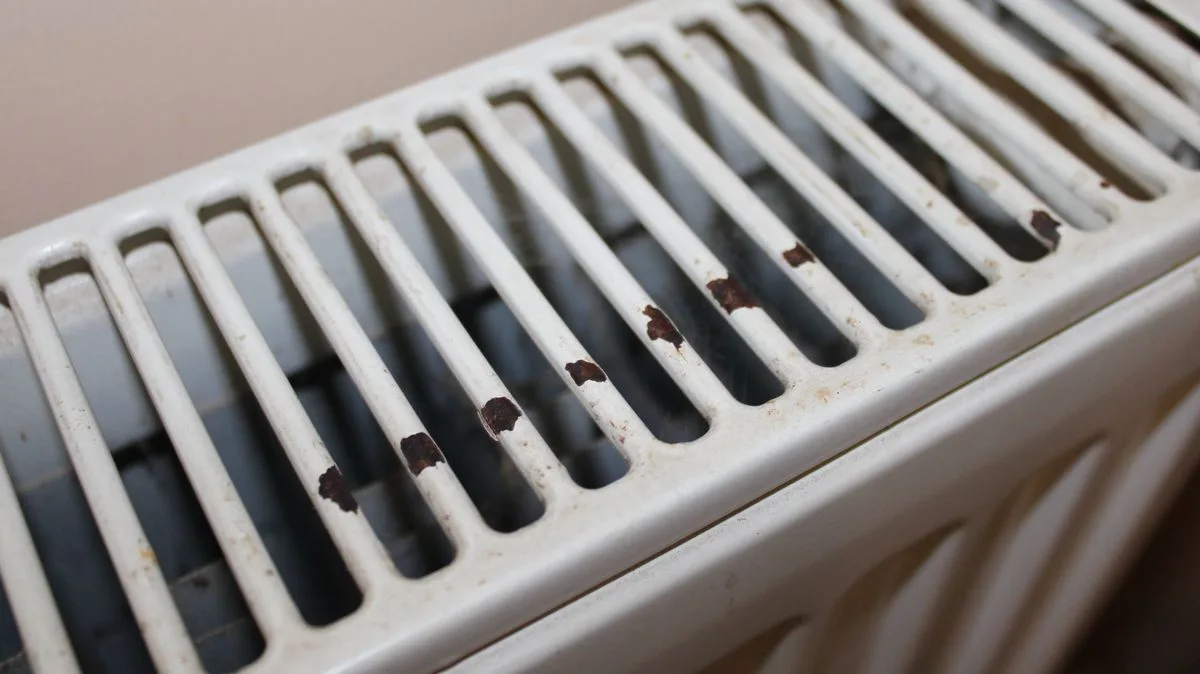
Rust on your bathroom radiator can be a real nuisance, but tackling it is easier than you might think. With the right approach, you can eliminate rust quickly and help prevent its return.
Why Rust Appears on Bathroom Radiators
Your bathroom is one of the most moisture-prone spaces in your home, so over time, it is hardly surprising that rust can emerge in unexpected places. The bathroom radiator is one such spot. Persistent dampness and temperature variations can cause your radiator to become damaged, even though chrome radiators are built to resist corrosion. Once the protective coating deteriorates, rust can take hold.
Simple Cleaning Solution
Fortunately, removing rust is not impossible. All you require is one straightforward cleaning product and some elbow grease. James Chapman, director at Bella Bathrooms, explains: "Bathroom radiators are typically made of steel and plated with chrome to help prevent rusting. But with them getting hot and cold repeatedly, and sitting in a damp atmosphere, the chrome can start to break down slightly, allowing moisture to get underneath. Then the metal underneath rusts, and the rust comes up through tiny holes and blooms on the surface."
What You Need
To address this issue, you need limescale spray, a stainless steel scourer, and determination. Chapman advises: "Rust is basically iron oxide, and acids will break it down. So get your scourer and limescale spray, spray the radiator to start killing the rust, and then give it a really good scrub." The abrasive pad helps remove rust from the surface, while the acidic cleaner dissolves it. After scrubbing the affected area thoroughly, wipe the radiator down well.
Preventing Future Rust
Once wiped down, the rust should be gone, but you will likely be left with tiny black specks—these are the holes in the chrome where rust emerged. These holes indicate that the chrome is compromised, meaning rust will likely reappear unless you take an additional step. Chapman says: "Because those holes are still there, it will come back. So after that, make sure your radiator is on because it needs to be bone dry, and spray it with clear lacquer spray. That will slow it down, or you can also use a waxy polish to block off those little holes."
Ongoing Maintenance
The secret to a rust-free radiator is consistent treatment. As soon as you spot rust returning, simply repeat the process. With regular care, your bathroom radiator can stay looking pristine for years.