
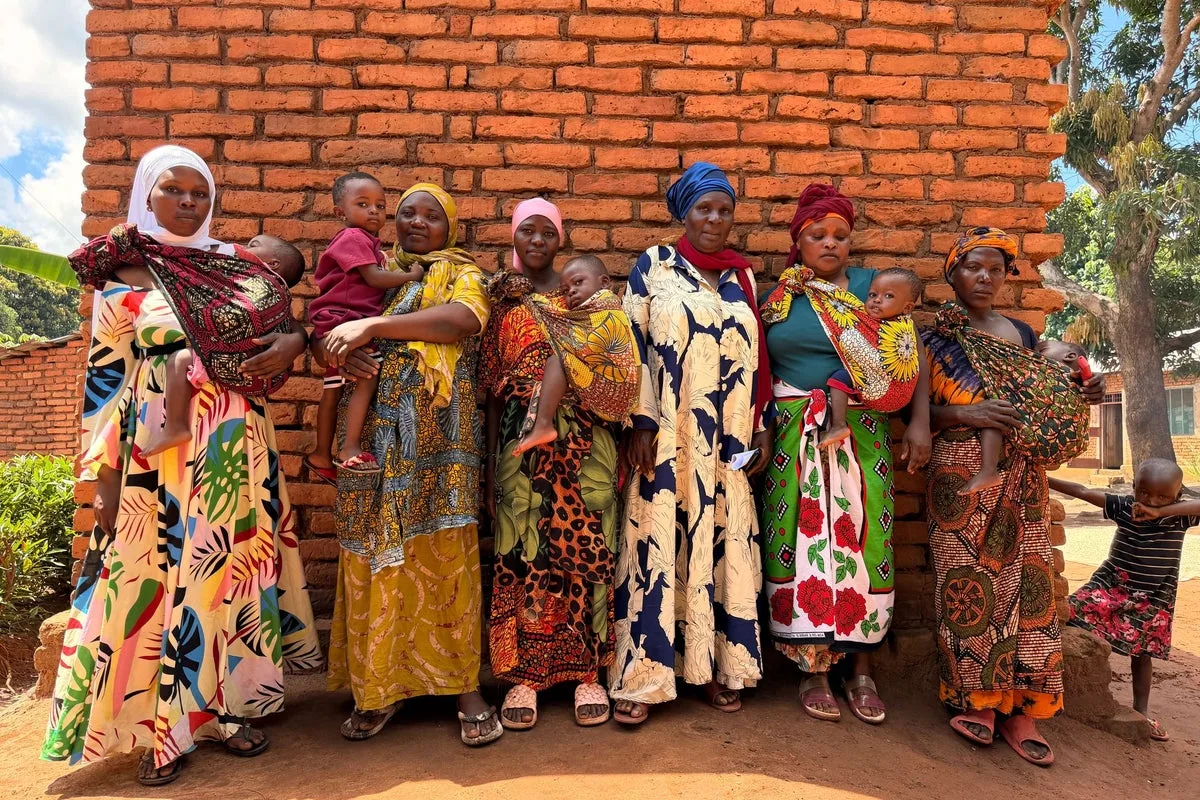
In the remote village of Madudumizi, Tanzania, a new clinic with clean water transformed life for pregnant mothers like Salma, who previously faced a dangerous hours-long journey to the nearest clinic. The clinic, built by World Vision, is part of the Ulaya programme, a 20-year development initiative targeting 27,000 people across 13 villages. World Vision spent $48m in Tanzania last year, reaching three million children.
Tanzania's economy grew 6.2% in early 2026, but half of its 70 million people live on less than $3 a day. NGOs remain critical for tackling maternal mortality and malnutrition. However, aid budgets from the US and UK have been slashed, with overall foreign aid falling 26% in 2025. Tanzania, which received $3.2bn in 2024, is expected to be disproportionately affected as funding shifts to conflict zones.
Climate change is compounding these challenges. In Ulaya, 'climate whiplash' has made rainy seasons wetter and dry seasons drier. Floods once considered 'once in a generation' have struck repeatedly in 2020, 2024, and 2026. Elisei Chilala, Ulaya programme coordinator, says 98% of residents are rain-fed farmers who can no longer predict planting seasons. 'Climate denialism does not exist here,' says advisor Leonard Slaa, noting that communities are waiting for floodwaters to recede.
The impacts are visible across health, nutrition, infrastructure, and water programmes. World Vision has hired Slaa specifically to address the climate threat. As extreme weather intensifies, development gains in rural Tanzania are steadily being eroded.




