
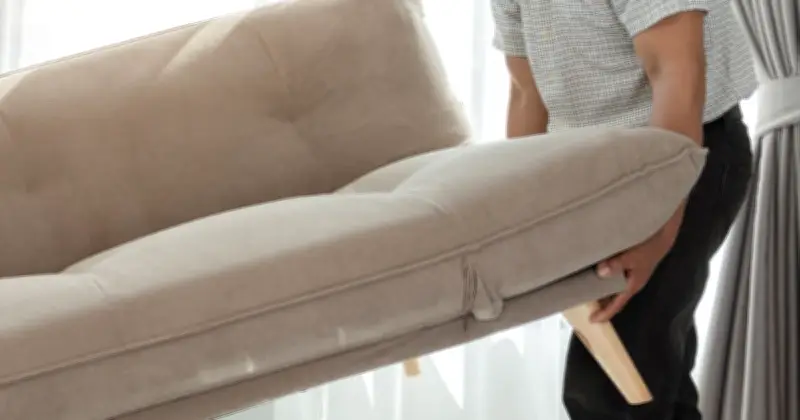
Households have been told they may need to move furniture, such as sofas, cabinets, and beds, before switching on their heating. New research has revealed 16 October as the average date households across England, Scotland and Wales turn their heating back on, meaning most households may have already done so by Friday, with more to follow as the days gradually grow colder and darker.
Checks before switching on heating
Before switching on your heating for the first time in autumn and winter, there are a number of checks to make. As well as making sure that radiators have been bled and boilers have been checked, you should check the position of your furniture and assess if it's working against you when trying to heat your home.
It comes as energy bills rise following Ofgem's latest energy price cap rise. The recent increase means the typical household will pay £1,723 a year for people who aren't on a fixed tariff and pay by Direct Debit in England, Scotland and Wales, up from the £1,663 cap that was in place, an increase of 4%.
Furniture blocking radiators
According to Better Housing Better Health, rearranging furniture might be necessary to improve heat circulation in your home. Many households may well have a sofa in front of a radiator in their living room, or a bed in front of one in their bedrooms.
If that is the case, you should move them if you can, experts have said. If you think of your radiator like a lamp and the heat as the light, you will want fewer things blocking it to ensure that the heat can properly heat up the room, the same way a lamp would properly light up a room.
Expert warnings and advice
Experts at Fuse recently warned: "Placing large items like sofas directly in front of radiators creates a physical barrier, trapping heat and preventing it from spreading efficiently into the room. This forces your heating system to work harder and for longer to reach the desired temperature, leading to wasted energy and higher bills."
"Obstructing radiators can significantly reduce their efficiency, meaning a portion of the heat generated never properly warms your living space," they added.
Meanwhile, the experts at Oak Furniture have said that households should leave between 15 and 30 centimetres between their furniture and radiators to allow for proper heat circulation. However, there is another reason. This also prevents the risk of heat damage to your furniture, keeping it looking new for longer.




