
UK households have been handed a boost from Thursday without which energy bills would have risen by an average of about £105, according to regulator Ofgem.
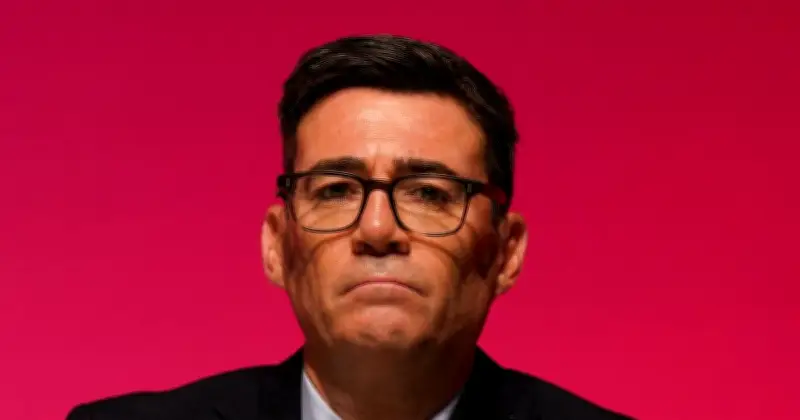
This Thursday marks the first day of a VAT cut engineered by Andy Burnham which will see an average of £45 handed to households - without which bills would be rising by roughly £105.
VAT cut takes effect October 1
The temporary six-month holiday on Value Added Tax for electricity bills is due to take effect from October 1 for all households whether on a fix or on the price cap.
Thanks to the conflict in the Middle East, the Ofgem price cap is set to rise by 4% on the same day, taking annual bills from £1,663 to £1,723. This is a £60 increase, and that includes the £45 reduction, otherwise it 'would have been higher', says Ofgem.
Ofgem explains the impact
As energy regulator Ofgem explains: "The Government's decision to remove VAT from all domestic electricity bills is reflected in this update. While higher wholesale prices are pushing up both gas and electricity costs, the VAT reduction means electricity bills will remain broadly stable. As a result, most of the increase in the price cap is driven by higher gas costs, with gas bills rising by 8%, meaning that households which do not use gas will see a much smaller increase of less than 1%.
"Without the Government's intervention on VAT, this figure would have been around £45 higher. The VAT removal also benefits customers currently on fixed tariffs, with the discount automatically applied by suppliers."
Government and Ofgem statements
New Chancellor John Healey said, when announcing the policy: "For too long, too many people have struggled with the cost of living.
"[The] energy tax cut will give families some breathing room on bills, and provide some reassurance this winter.
"This measure is funded this year from cancelling the digital ID programme, and it will help bring down inflation while supporting households in every postcode."
Officials said the VAT cut, from 5% to 0%, is estimated to reduce the consumer prices index measure of inflation by around 0.10 percentage points.
The policy will cost the Exchequer around £850 million in 2026/27. For households with dual fuel bills the VAT cut will only apply to the electricity used, not gas, Downing Street said.
Neil Kenward, Ofgem’s Director General for Markets, said: "High international gas prices are continuing to drive energy costs in the UK. We welcome the Government’s intervention to remove VAT from electricity bills, without which customers would have faced even higher costs this winter.
"Savings are available by choosing a fixed tariff, which are available at £100 or more below the October price cap, and many suppliers offer tariffs with cheaper electricity to smart meter customers for electricity consumed out of peak times. It's also worth considering different payment methods, with prepayment customers paying the lowest price cap rates, and could save consumers an average of about £45 compared to direct debit."




