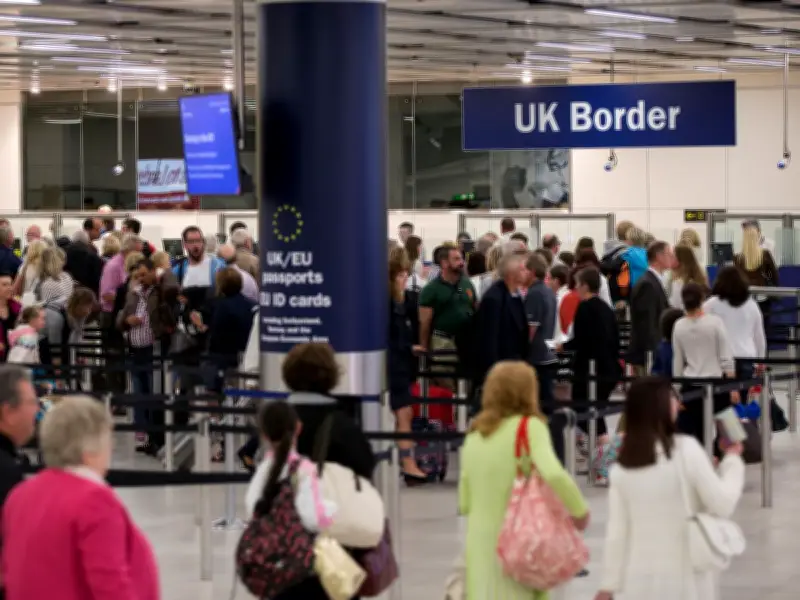
Holidaymakers returning to the UK from European Union countries, including popular destinations such as Spain, Greece, Turkey, and France, face fines of up to £5,000 for bringing certain food items, such as sandwiches, cheese, cured meats, raw meats, or milk, even if purchased at duty-free shops. The restrictions, in force since April 2025, are designed to prevent the spread of foot and mouth disease (FMD) and apply to personal imports entering Great Britain from any EU country.
What Items Are Banned?
The ban covers meat and dairy products from cows, sheep, goats, and pigs, including cheese, milk, butter, yoghurt, pork, beef, lamb, mutton, goat, venison, and products made from these meats, such as sausages. Sandwiches filled with meat or dairy are also prohibited. However, certain items are exempt, including bread (without meat or dairy fillings), cakes without fresh cream, biscuits, chocolate and confectionery (not containing large amounts of unprocessed dairy), pasta and noodles (not mixed with meat or meat products), packaged soups, stocks, flavourings, and processed plant products like packaged salads.
Enforcement and Penalties
Border Force officers are empowered to seize and dispose of illegal food products. Offenders may be given the option to hand over items voluntarily; in serious cases, they face fines of up to £5,000 in England. The Department for Environment, Food and Rural Affairs (DEFRA) has confirmed that the rules are actively enforced, with officials warning that “in serious cases, those found with these items run the risk of incurring fines of up to £5,000 in England.”

Reason for the Ban
The restrictions follow a foot and mouth disease outbreak in Europe, with confirmed cases in Germany, Hungary, Slovakia, and Austria. FMD is a highly contagious viral illness affecting cattle, sheep, pigs, and other cloven-hoofed animals, including wild boar, deer, llamas, and alpacas. While the disease poses no threat to humans, it can cause significant economic losses through reduced production and restricted access to overseas markets for livestock, meat, and dairy products. The UK Government has stated that the ban is intended to protect domestic animal health, farmers’ livelihoods, and UK food security.
Public Awareness and Government Actions
Labour MP Ben Goldsborough raised a parliamentary question about whether sufficient steps are being taken to inform the public. DEFRA Minister Dame Angela Eagle detailed efforts, including using the Christmas period to remind travellers of the ban, promoting awareness through partnership channels, and conducting surveys showing that over 90% of respondents are aware they should not bring back meat and dairy products from EU countries. She added that “any decisions on funding paid campaigns will be made based on the current threat level, evidence of effectiveness and available resources.”
Exemptions and Special Cases
The ban applies only to travellers entering Great Britain (England, Scotland, and Wales) and does not affect personal imports from Northern Ireland, Jersey, Guernsey, or the Isle of Man. Limited exemptions exist for infant milk, medical foods, and certain composite products like chocolate, confectionery, bread, cakes, biscuits, and pasta. Dr Jorge Martin-Almagro, UK Deputy Chief Veterinary Officer, stated: “A limited set of exemptions from these rules are in place. For example, a limited amount of infant milk, medical foods and certain composite products like chocolate, confectionery, bread, cakes, biscuits and pasta continue to be allowed.”
Government Statement
Farming Minister Daniel Zeichner said: “This government will do whatever it takes to protect British farmers from foot and mouth. That is why we are further strengthening protections by introducing restrictions on personal meat and dairy imports to prevent the spread of the disease and protect Britain's food security.” Dr Martin-Almagro added: “Robust contingency plans are already in place to manage the risk of this disease to protect farmers and Britain's food security. I would urge livestock keepers to continue exercising the utmost vigilance for signs of disease.”