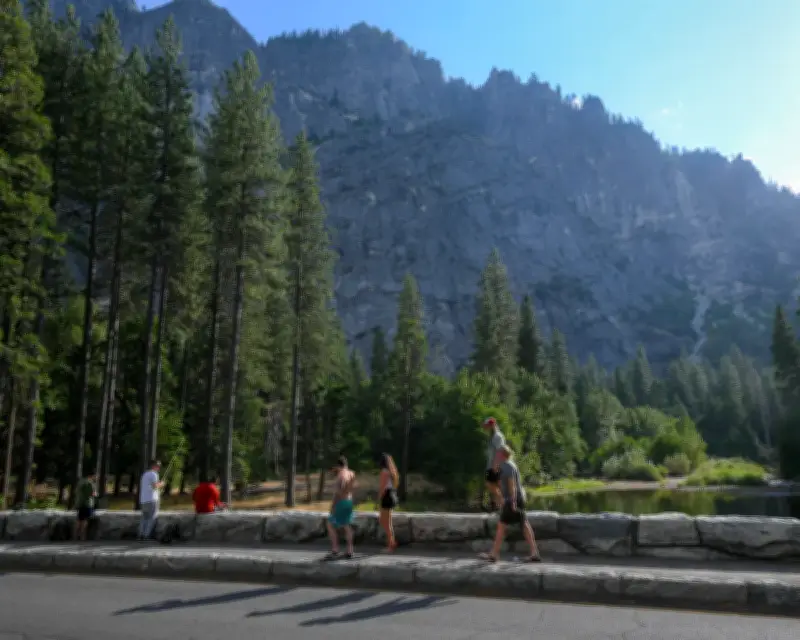
A plan reportedly under consideration by the Trump administration to sell off a portion of Yosemite National Park to private interests has drawn sharp criticism, with commentators describing it as a stark example of oligarchy taking hold in American governance. The proposal, which would transfer public land into private hands, has been framed as a betrayal of the park's status as a national treasure.
A Public Treasure Put Up for Sale
Yosemite, one of the most iconic national parks in the United States, attracts millions of visitors each year and is widely regarded as a symbol of the country's natural heritage. The idea of selling any part of it has provoked outrage among conservationists and park advocates, who argue that such a move would prioritize profit over preservation.
The report suggests that the administration's interest in the sale is driven by a broader agenda to open up public lands to commercial development, a policy that critics say favors wealthy donors and corporate interests over the general public.

Oligarchy or Democracy?
The commentary argues that the proposed sale is not merely a policy decision but a symptom of a deeper shift toward oligarchic rule, where a small elite exerts disproportionate influence over public resources. By handing over a piece of Yosemite to private buyers, the administration would be signaling that even the most cherished public spaces are not safe from commodification.
Supporters of the plan have not been named in the report, but the criticism is unequivocal: selling off Yosemite would set a dangerous precedent for other national parks and public lands across the country.
What Happens Next
No formal decision has been announced, and it remains unclear whether the proposal will move forward. However, the mere possibility has galvanized opposition, with many vowing to fight any attempt to privatize a part of the park. The outcome could have lasting implications for how America manages its public lands.