
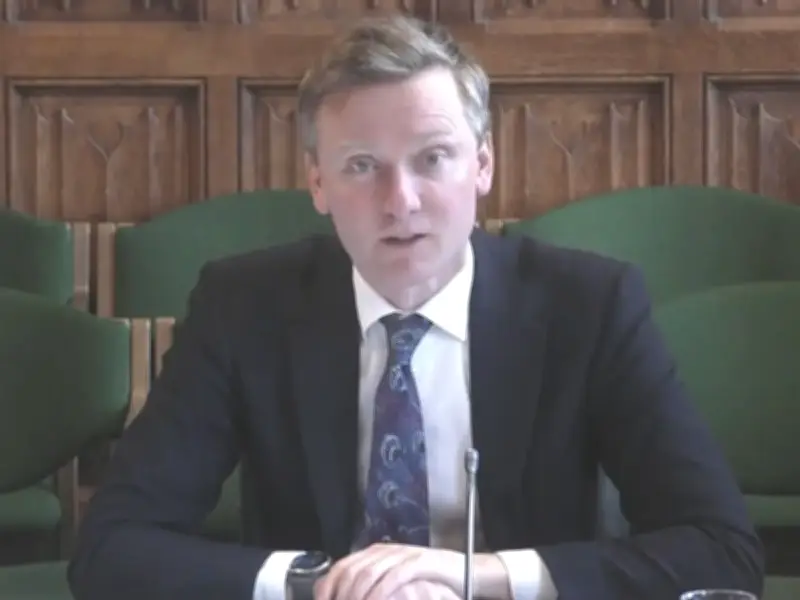
Swansea West MP Torsten Bell, who serves as pensions minister in Andy Burnham's government, has set out the three most important things to know about the state pension changes being announced.
His comments come as Pat McFadden, the UK work and pensions secretary, speaks in parliament. Mr Bell notes that pensions affect everyone, either as current pensioners or those hoping to become pensioners in the future, and explains what is happening to how the UK Government increases the state pension.
Prime Minister Andy Burnham has announced changes intended to guarantee that the state pension rises every year without making people wait into their 70s to receive it.
State pension to rise to record levels
Currently, the state pension is increased each April by whichever is higher in that year: 2.5%, inflation, or average wage growth. This mechanism is called the 'triple lock'. Because there are years when earnings growth is lower than inflation or 2.5%, the state pension grows faster than wages over time. This 'ratchet' effect is why some people have called the triple lock 'unsustainable'.
Mr Bell stood for parliament for the first time in 2024 on a Labour manifesto that promised to keep the triple lock throughout the parliament if elected. He says the party won that election and is going to honour that promise in full. As a result, the full new State Pension is set to rise by more than £2,000 over this parliament, reaching a record high relative to wages by the end of the decade - over 30% of average earnings.
Triple lock to be adjusted, not scrapped, from 2030
To make those gains permanent and ensure the state pension can sustainably rise each year, the triple lock will be adjusted in the next parliament. From April 2030, the state pension will increase every year by the highest of 2.5%, inflation, or the amount needed to keep it at the record proportion of earnings reached in 2029.
This will guarantee a chunky increase to the state pension every year, protect pensioners against price increases, and ensure pensioners benefit as the economy grows. It will also save money because the state pension will in future rise in line with wages over time, rather than rising faster than them. Removing the 'ratchet' effect will save £15 billion a year by 2040, ensuring people can trust that the state pension will always be there.
Pensioner poverty to continue falling
Mr Bell says pensioner poverty halved under the last Labour government, as the creation of Pension Credit directly boosted the incomes of the poorest pensioners. Under the current plans, pensioner poverty is set to fall further over the coming decades.
That is partly because of the chunky increase to the state pension that will keep happening every single year under the new system. It is also an effect of the new flat-rate state pension that began to be rolled out from 2016, alongside more people having private pension savings of their own to draw on.
Mr Bell says other political parties are trying to scare pensioners about the plans, and repeats the key fact that the State Pension will rise every single year. He notes the Conservatives oppose the plans but says they should be honest about what that would mean: making pensioners wait into their 70s to start getting their State Pension, repeating the aggressive rises in the state pension age the Tories delivered when they were last in government.
He says he does not want the pension to be means tested, as Kemi Badenoch called for in January 2025, or scrapped altogether, as Reform's favourite think tank campaigns for. What the Prime Minister has set out is a new settlement, a better deal, for older generations, ensuring they can keep a rising state pension and offering trust that the state pension will always be there for everyone.




