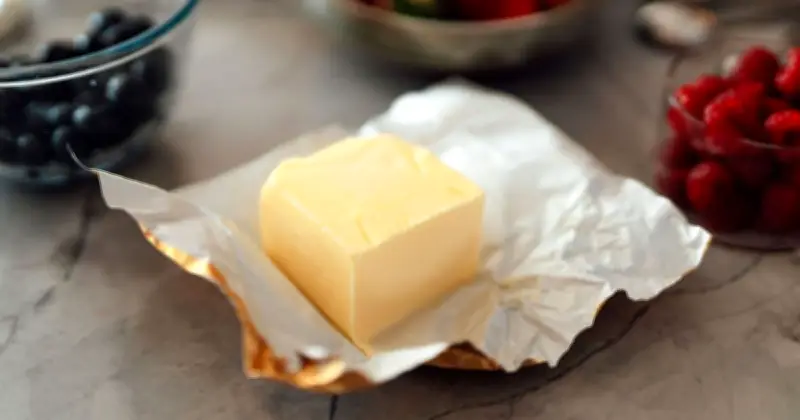
Butter is a staple in many British households, whether spread over warm toast, melted into a jacket potato or used in baking. Keeping it fresh and maintaining the right consistency can be challenging, particularly when getting it ready to use straight from the pack. While some prefer their butter firm, others enjoy a softer texture that spreads easily without tearing bread.
Room temperature storage
Waste experts at Wheeldon Brothers said leaving butter at room temperature, as long as it is stored in a covered dish, can preserve it for more than two weeks. They said: “We often see people throw away butter simply because it’s gone hard or they think it’s spoiled when left out. In reality, butter is much more stable than people think, especially salted butter.
“Storing it on the counter, in the right conditions, makes it easier to use and reduces how often it’s wasted. Because butter has a low moisture content and minimal protein or carbohydrates, it’s less appealing to bacteria and mould compared to other dairy items.”
Storage conditions and safety
Leaving butter exposed or storing it in its original wax wrapper can allow bacteria to build up, so it is recommended to store it in a butter dish with a lid. It is also important to keep it away from heat sources such as windowsills or near the oven.
The experts added: “If you prefer to keep butter chilled, salted butter can last one to two months in the fridge, and up to nine months in the freezer. But storing it cold often makes it too firm to use quickly, leading many to cut off more than they need, or letting it melt wastefully on the counter.
Reducing waste
“This simple butter storage hack could help you reduce food waste, save money, and make baking and spreading far easier. Small changes like this can have a big impact. By storing food in smarter ways, like keeping butter soft and ready to go, we can make our kitchens more efficient and cut down on unnecessary waste.”