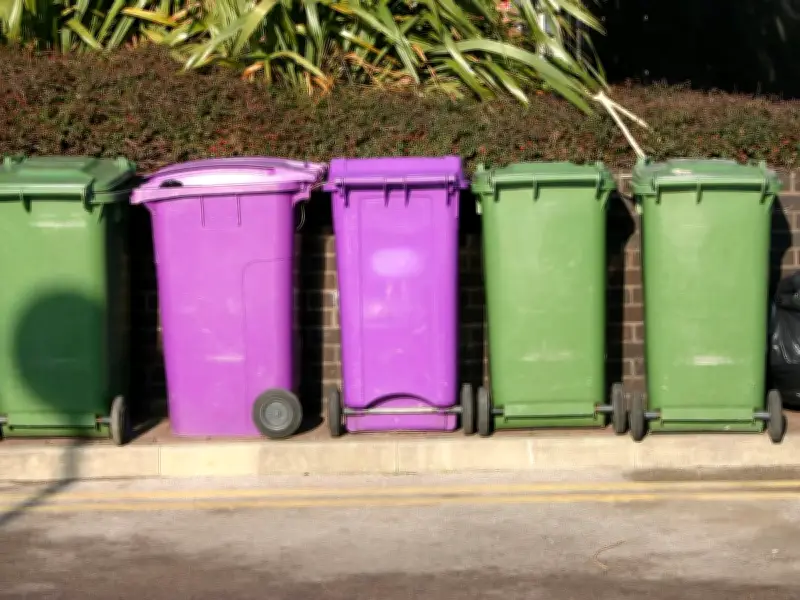
England's new Simpler Recycling regulations, in force since March 2026, do not require local authorities to collect a range of everyday household items for recycling when left out on bin day. These include certain types of glass, metals, plastics, paper and card, as well as some food and garden waste.
What the regulations require
Under the rules, councils must now collect the following waste separately: food and garden waste, paper and card, all other dry recyclable materials (glass, metal and plastic, including cartons), and residual waste (non-recyclable waste sent for energy recovery or to landfill).
The government said the aim was to standardise waste collection across the country and improve recycling rates, ending what it called the "muddled and confusing patchwork of approaches to bin collections" that had arisen from different councils operating under different rules. The regulations were also designed to ensure more materials are recycled and that high-quality recycled material can be sourced domestically.
Glass, metal and plastic exclusions
Councils are not required to collect glass that is not used as packaging, including candles, drinking glasses, flat glass, glass cookware (like Pyrex), light bulbs and tubes, microwave plates, mirrors, vases, window glass, and ceramics such as crockery or earthenware.
Metal items not required for collection include laminated foil (like pet food pouches and coffee pouches), electrical items and batteries, general kitchenware such as cutlery, pots and pans, kettles, irons, pipes, and metal packaging that has contained white spirits, paints, engine oils or antifreeze.
Plastic items excluded include any packaging or non-packaging labelled as 'compostable' or 'biodegradable', including coffee pods; plastic bottles that have contained white spirits, paints, engine oils or antifreeze; bulky rigid plastics such as garden furniture, bins and plastic toys; polystyrene (expanded and high impact) packaging such as packing beads; and polyvinyl chloride (PVC) packaging.
Paper, food and garden waste
Paper and card items councils need not collect include food and drinks cartons made of a fibre-based composite (these should be collected with plastics), absorbent hygiene products including nappies, period products and incontinence products, wet wipes, cotton wool or makeup pads, and tissue or toilet paper.
Food products not required include any plastic packaging or non-packaging items labelled as 'compostable' or 'biodegradable', including coffee pods. Garden waste exclusions cover animal bedding, bulky waste (including garden furniture and fencing), garden tools or other gardening equipment, plant pots, plastics, sand, sawdust, stone, gravel or bricks, and tea bags or coffee grounds. Branches and trees over a certain size may have to be cut into smaller pieces to follow local guidance.
Plastic film delay
The government has also delayed by three years a rule due to come into force early next year. From March 2027, all English local authorities had been expecting to collect plastic bags and film from every household. These are currently only recycled by a handful of councils, with most residents having to take them to a supermarket to be recycled. The government has postponed mandatory plastic film collections for both workplaces and households until April 2030.
Despite the new rules, there may still be variations in what different councils are able and unable to recycle, so residents are advised to check their local council rules if in doubt.