Scotland will face higher gas and electricity bills this winter under a new price cap, with Labour's flagship GB Energy scheme branded a "complete failure" by critics.
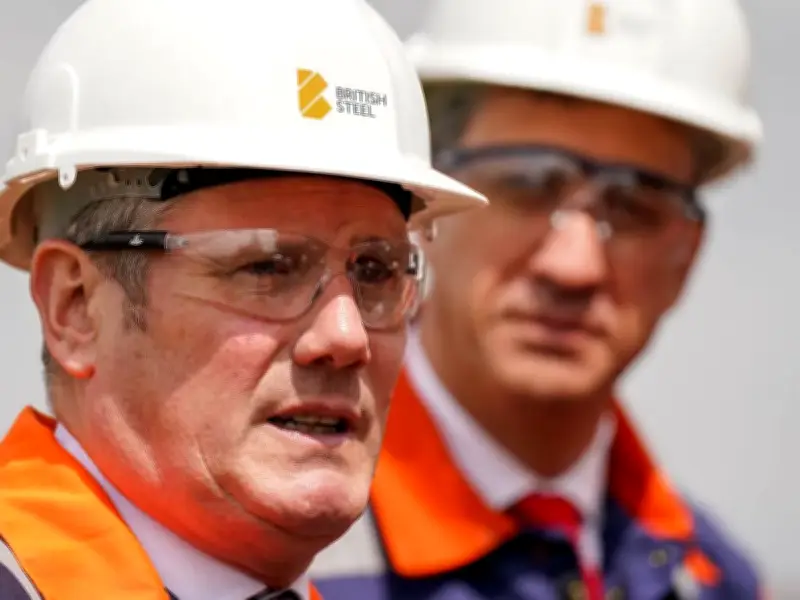
A Sunday Mail investigation found the £8.3billion publicly owned energy company, championed by Keir Starmer and Ed Miliband to cut bills and turn Britain into a "clean energy superpower", has not invested in a single homegrown firm north of the border.
GB Energy investments under scrutiny
Under Starmer, the UK Government vowed to lower annual fuel bills by an average £300 and said GB Energy, headquartered in Aberdeen, would play a key role in delivering that, as well as bringing a "huge number" of skilled jobs to Scotland.

Instead, average bills are forecast by January to be around £300 higher than when Labour took office in 2024.
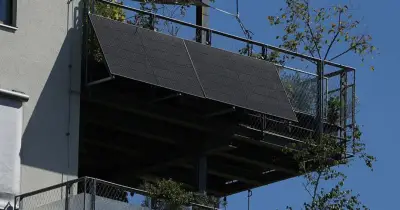
The investigation found GB Energy has invested around £100million in clean energy projects, benefiting two English companies and a Danish private equity fund. A roll-out of rooftop solar panels to some 500 schools and hospitals were all in England. The publicly owned company is still yet to open its Aberdeen HQ, with more than a third of its current staff based outside Scotland.
Bills rise amid winter forecast
Typical annual energy bills will rise by £60, or 4 per cent, to £1,723 in October under regulator Ofgem's latest price cap. Analysts Cornwall Insight have forecast a further 9 per cent hike from January 1 as winter bites, taking the average bill up to £1,872 a year - £304 higher than the price cap in July 2024 when Labour assumed office and GB Energy was founded.
Bills have risen sharply due to Donald Trump's war against Iran, which closed the Strait of Hormuz waterway vital for global oil and gas transit. The UK has long had amongst the highest energy costs in Europe, however. Research by MoneySuperMarket last week found average bills for Scottish households are already up to £150 higher than the October price cap, with typical annual costs of up to £1870.
Criticism from SNP and experts
Dr Ewan Gibbs, an energy historian at Glasgow University, said: "The big story for me here is just how little has been achieved in two years. This is meant to be an urgent priority for our current government in terms of creating manufacturing jobs, lowering energy bills and decarbonising the energy system in Britain. These are meant to be core priorities. Simply, the full progress is clearly not fast enough - and we're all paying for the consequences of that."
SNP energy spokesman Graham Leadbitter MP said: "Labour's flagship GB Energy was meant to create 1000 jobs in Aberdeen and right across Scotland but what do we have? A handful of jobs in Aberdeen and instead cash pumped into English nuclear power and Wimbledon solar panels. The fact is 1000 energy jobs are being lost a month in our energy sector and our energy bills are nearly £600 higher than the Labour Party promised at the last general election. That is the devastating reality which the Labour Party are responsible for. GB Energy has been a complete failure for Scotland and perfectly illustrates why Scotland's energy must be in Scotland's hands."
Douglas Lumsden, Tory MP for Aberdeen South, said: "The energy price rise coming in October is further evidence that net zero isn't working and costly taxpayer gimmicks like GB Energy are a waste of time. This Labour government cares more about ideology and siphoning billions of pounds away to useless vanity projects than saving households money. The fact GB Energy hasn't invested in a single Aberdeen project since launching, let alone any homegrown companies in Scotland, is a public scandal. Labour promised GB Energy was the magic bullet to create jobs and cut energy bills, but this couldn't be any further from the truth. At a time of rising energy costs like these, it's insanity that Andy Burnham is still refusing to drill our own oil and gas while Aberdeen's economy is staring down a cliff edge."

GB Energy projects and response
In its founding statement in July 2024, Miliband - who was Starmer's Net Zero Secretary and is now Foreign Secretary under Andy Burnham - vowed to "invest in clean energy at speed and scale" to "protect billpayers permanently". He also declared GB Energy would be a blueprint for "21st century modern public ownership", adding: "It is time for the British people to also own things again and build things again."
In the two years since, the company has invested directly in just three projects. The most recent in August was a £7.5million stake in Naked Energy, a Sussex-based solar-thermal firm which has fitted out roofs at sites like the All England Club at Wimbledon. In April, GB Energy ploughed £40million into ITM Power Ltd, a Sheffield-based hydrogen firm. Its first investment, in November, was up to £50million for Pentland Floating Offshore Wind Farm off the coast of Dounreay in Caithness as part of a joint £150million package with the Scottish National Investment Bank and the National Wealth Fund. The project is majority-owned and led by Danish investment firm Copenhagen Infrastructure Partners.
An initial claim that GB Energy could employ more than 1000 people was later downgraded to a target of 300 by the end of the decade. Of its current 132 employees, just 53 are permanent and 46 don't live in Scotland. Other flagship projects include a rooftop solar scheme for schools and NHS sites, benefiting more than 500 buildings across England. Due to devolution, Scottish sites can't directly access the scheme. Around £5million was earmarked for Scotland but the status of the funding is unclear. The company has worked with the Scottish Government to put £10million towards 70 community projects including a solar farm in Arran and wind farms in Aberdeenshire.
GB Energy's headquarters in Marischal Square, Aberdeen still hasn't opened its doors, although it's expected to later this year, where it's hoped up to 300 workers will eventually be based. Two additional sites proposed in Glasgow and Edinburgh have yet to materialise.
Dr Gibbs said: "There just hasn't been enough action on the ground that people can see and feel in their everyday lives." On GB Energy's investments, he added: "You're looking at under £100million invested so far. To me, that's just miniscule, I'm afraid, in terms of the scale of the transition. The UK Government has given more money to the petrochemicals complex in Grangemouth alone. That really just brings to bear how underpowered GB Energy is."
Thom Quinn of Uplift, a key backer of the Our Power Scotland campaign calling for greater public ownership of renewables, said Scots were being "short-changed" and "left at the mercy of Putin and Trump". He said: "The only way to bring energy bills down is to build more homegrown renewables and break our dependence on volatile gas. But cheaper energy is only part of the prize. Scotland could also be capturing far more of the huge revenues and jobs that renewables bring – through greater public ownership, whether that means communities and councils owning projects, or governments taking national stakes, as they do in other countries. Now is the time to demand far more ambition from the UK Government, through GB Energy and other national funds, to make sure more of that wealth and work stays in Scotland rather than flowing into the pockets of distant shareholders or the treasuries of other countries. Politicians made this mistake with the profits of oil and gas. They must not repeat it with renewables."
A GB Energy spokesman said: "We have moved quickly from foundation to delivery, immediately giving people ownership of our energy system by investing almost £100million in projects, which will create 1500 jobs across the UK."