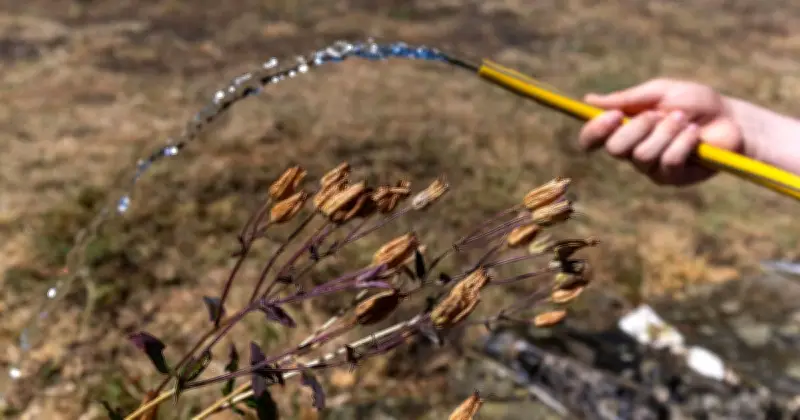
Gardening experts have issued an urgent warning for Brits to take immediate action to save heat-stressed plants, as soaring temperatures continue to affect gardens across the UK. According to Gardening Know How, plants suffering from heat stress show clear symptoms, including drooping, wilting, sunburn, and stunted growth. The experts emphasize that even if plants have already been affected, there are steps gardeners can take to rescue them before it's too late.
Key Symptoms of Heat-Stressed Plants
The experts explain that heat stress manifests in several ways. "Plants that are suffering from heat stress droop, look wilted, may show signs of sunburn, and can become stunted," they wrote. Sunburn appears as light-colored or discolored splotches on leaves or stems, caused by excessive exposure to bright sun. Recognizing these signs early is crucial for effective intervention.
Avoid Overwatering: Check Soil Moisture First
A common mistake during heatwaves is overwatering, which can worsen the problem. The experts advise against drowning plants with water and instead recommend checking soil moisture first. "Before drowning your plants with a big drink of water, it’s best to check the moisture level of your soil first," they said. A simple finger test—inserting a finger about 1 inch (2.5 cm) into the soil—can determine if the soil is moist. If it feels moist, lack of water is not the issue. If dry, it's time to water. Using a soil moisture meter is also suggested for precise measurement.

Best Watering Practices and Mulching
The optimal time to water plants is in the morning, according to the experts. Additionally, adding mulch around plant roots helps retain moisture, lower soil temperature, and enrich the soil with organic material and nutrients as it decomposes. Mulch is readily available online and can significantly improve plant resilience during heat stress.
Avoid Fertilizer in Hot Weather
One of the most critical tips is to stop fertilizing plants during and after heat stress. "You may think that giving plants a boost of their favorite food will help them come out of heat stress stronger, but just the opposite is true," the experts warned. Fertilizer encourages new growth, which further stresses plants and can cause sunburn on foliage. Instead, gardeners should cease feeding immediately, allowing plants to rest and recover before adding nutrients.
By following these steps—monitoring soil moisture, watering in the morning, applying mulch, and avoiding fertilizer—gardeners can effectively save their heat-stressed plants and prevent further damage.