Air pollution remains one of the world's deadliest public health threats, killing more than 8 million people annually—more than HIV, malaria, and tuberculosis combined. Yet it receives far less attention than other crises because it is largely invisible. The heaviest burden falls on low- and middle-income communities, but the problem affects all classes and countries.
Data-Driven Success in London and New York
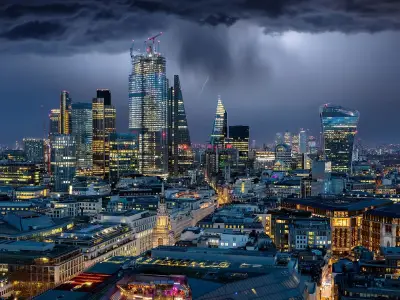
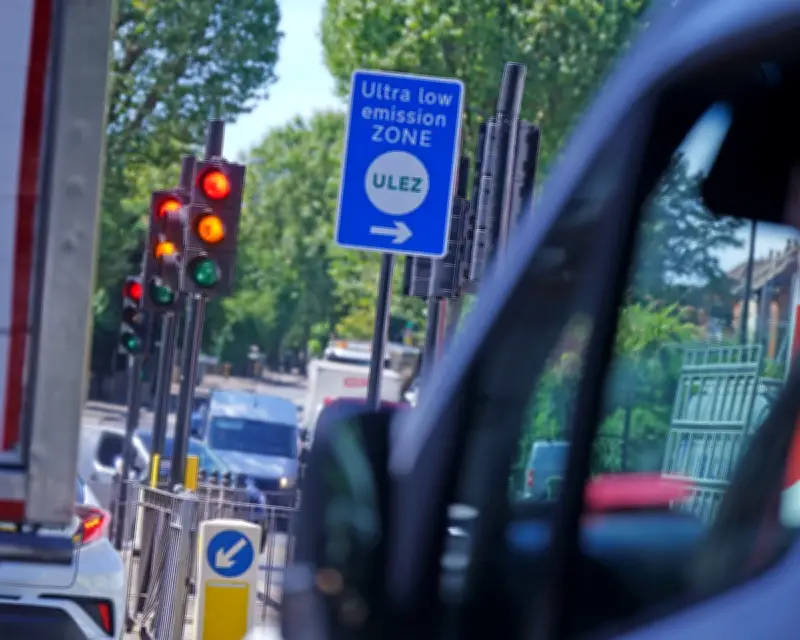
Experts at King's College London predicted in 2016 that without action, it would take nearly 200 years for London to meet legal limits for roadside nitrogen dioxide (NO2). However, through bold measures, the city achieved compliance in just nine years. Key initiatives included the ultra-low emissions zone (Ulez)—the world's largest clean air zone—and the rollout of zero-emission buses. Data from an extensive network of automatic monitors and low-cost sensors, installed through the Breathe London programme, guided these policies. The network engaged community leaders and the public to increase awareness and install sensors in high-need areas.
New York City also used air-quality sensors to target efforts, driving pollution down to a 50-year low. Both cities demonstrated that rapid, measurable progress is achievable, with benefits for health, climate, and the economy. A study by Imperial College London found that fewer Londoners were admitted to hospital with breathing and heart problems directly due to the Ulez impact.

Scaling Solutions Globally
The Breathe Cities programme, launched by Bloomberg Philanthropies in partnership with Clean Air Fund and C40 Cities, spreads these best practices worldwide. It provides mayors with real-time pollution data, technical support for policy solutions, and a global network for idea-sharing. Nearly 1,200 air sensors have been deployed across 14 participating cities, including first hyper-local networks in Accra and Nairobi. Ten cities have committed to clean air zones by 2030, covering an area where over 18 million people live and work.
According to Sadiq Khan, Mayor of London, and Michael Bloomberg, former Mayor of New York City, the success shows that lower emissions and improved air quality attract private investment. They argue that breathing clean air is a fundamental right, and local leaders must protect citizens from toxic pollution. As more cities uphold this right, more lives will be saved and progress against the climate emergency will accelerate.