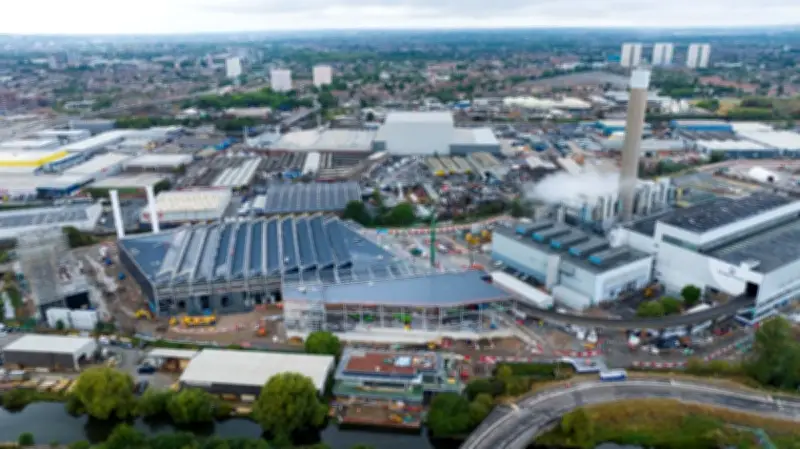
Hackney's Green administration has abandoned its opposition to a £1.5bn waste incinerator project, which is now forecast to cost the council millions more than was envisaged earlier this year.
Ahead of the local elections in 2026, the Hackney Green Party pledged in its manifesto to “explore every option to cancel” the reconstruction of an ageing rubbish incinerator serving seven councils in North London. However, after taking control following victory at the May elections, the new administration now says abandoning the project would be financially and environmentally “devastating”.
Project Background and Opposition
The reconstruction of the Edmonton plant, officially known as an Energy Recovery Facility (ERF), began in 2022. It has been billed as a “world-class” means of generating low carbon energy by burning waste. The rebuild has been opposed for years by campaigners, including Extinction Rebellion, Greenpeace, and Friends of the Earth, over the potential air pollution and carbon emissions impact. The activist group Stop Edmonton Incinerator Now has also argued it could disincentivise an increase in recycling.
Hackney is one of seven councils belonging to the North London Waste Authority (NLWA), the statutory body managing the project. In 2024, Hackney's Labour administration defended the scheme after a BBC investigation revealed burning rubbish was the UK's “dirtiest form of power”. The council's then-climate chief said at the time that the incinerator was “currently the least environmentally damaging way to manage non-recyclable waste”.
New Administration's Stance
But the borough's new Cabinet Member for Climate, Clean Air, Energy and Transport, Cllr Jacob Cable, told the Local Democracy Reporting Service (LDRS) it was “clear” that failure to complete the project would be “devastating both financially for the seven constituent boroughs”. Cllr Cable added that cancelling the rebuild would “also massively worsen environmental and operational outcomes, as we would have to pay to transport our waste to lower performing incinerators than that which is being built”.
The cabinet member, who is also Chair of the NLWA, came to this view after commissioning a review into the “costs and risks associated with not completing the project”.
Rising Costs and Budget Impact
The decision comes as the cost of rebuilding the incinerator has spiked, directly affecting the borough's projected budget deficit over the next three years. The council told the LDRS the total multi-year construction budget for rebuilding the 50-year-old plant had risen by 80 per cent. The recent £9m increase in Hackney's budget gap, now forecast to top £21m by 2030, accounts for the council's contribution towards the incinerator's rising costs, a spokesperson added.
The cumulative deficit is mainly being driven by adult social care, staff pay rises, and capital charges and borrowing. The council's contribution to the NLWA levy and charges comes from its general revenue budget, which is funded by council tax, business rates and government grants. At present, Hackney residents pay around £1 per person per week for all their recycling and rubbish to be processed and disposed of. Once the incinerator is up and running, this cost will be roughly £1.50, the council said.
Hackney expects Levies spending to have swelled to £40m by the end of the decade – a 30 per cent increase from the figure forecast in March 2026. Speaking to the LDRS on Wednesday (October 28), Cllr Cable said he has asked the government for more money towards the rebuild “to shield local taxpayers from bearing the brunt”. The cabinet member added that he had ensured the waste body had “negotiated a revised financial settlement to increase delivery and cost certainty” regarding the incinerator. The details are forthcoming and will be submitted for approval at the board's next meeting in November.
The local authority advises that residents can help cut these cost pressures by “producing less waste, recycling more, and using their food waste services”. “We will continue to help them do just that,” a council spokesperson added.
Project Timeline and Delays
The entire budget for the North London Heat and Power Project, including the incinerator but also new recycling facilities and an Eco Park at the Edmonton site, was estimated at £1.2bn in 2019. Updated forecasts put the total cost as high as £1.52bn by the time of completion. The project has seen delays due to local and geopolitical factors, including spiralling construction costs amid high interest rates and supply chain friction. NLWA has also revealed progress was scuppered by “unforeseen complications for working on an old industrial site” leading to the discovery of asbestos, unmapped water pipes and “sewer diversion” that turned out “more complex than planned”. According to the project's website, the incinerator is slated to enter its commissioning phase in 2027.