
The Productivity Commission has released a long-awaited review of the 2018 GST deal, finding that the arrangement giving Western Australia an outsized share of revenue is costly, unfair, and should be reversed. However, there is no prospect of government action, as both major parties have repeatedly endorsed the deal.
Economist's Criticism
Economist Saul Eslake described the deal as “the worst public policy decision of the 21st century thus far.” He added, “Any rational person would also draw from that fact alone that the current arrangements are not fiscally sustainable for the commonwealth.”
The deal, expected to hand an estimated extra $60bn in tax revenue to Western Australia over a decade, has already cost some $23bn to 2024-25. The Productivity Commission found that the changes made the carve-up of more than $100bn in revenue among states and territories less equitable and had achieved none of its objectives.
Commission's Findings
The commission's deputy chair, Alex Robson, said the deal had “reshaped a system that needed targeted reform, leaving taxpayers with a large and growing bill.” He added, “The system should be brought back to its core purpose: ensuring that all states and territories are able to offer Australians a similar standard of services and infrastructure no matter where they live.”
One of the report's authors, Angela Jackson, pointed out perverse outcomes: a better fiscal position in Western Australia won't cost the state any revenue, but South Australia or another state improving its budget would drive down its share of GST dollars.
Political Reactions
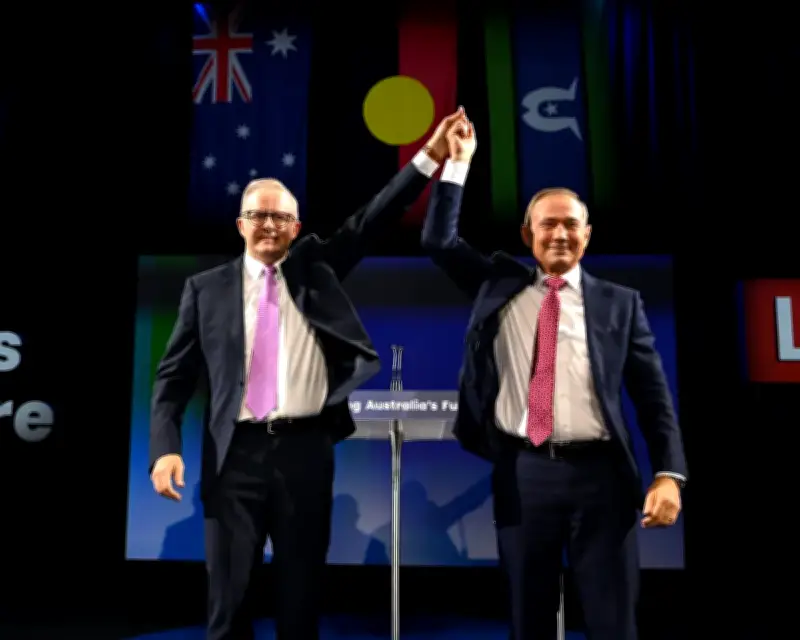
The report's recommendations are expected to be political non-starters in Canberra and Perth. In 2024, Labor extended the transitional arrangements, originally due to expire in 2026-27, to 2029-30. Prime Minister Anthony Albanese said Western Australia was a driver of the national economy and deserved “a fair deal.” He assured Western Australians, “You will get your fair share because your work and what you contribute to the national economy really counts.”
Western Australian Premier Roger Cook savaged the report, calling its assessment “dodgy, deceitful” and “dumb.” He said, “The changes would punish Western Australia for its success simply to prop up other lazy states.” In contrast, NSW Premier Chris Minns and Queensland Treasurer David Janetzki urged the report's recommendations be taken up in full. Minns likened Western Australia to Saudi Arabia and the United Arab Emirates, digging up natural resources and splashing money around the world for a life of luxury.
The final report is expected before the end of the year, but with both major parties backing the deal, no change is likely.




