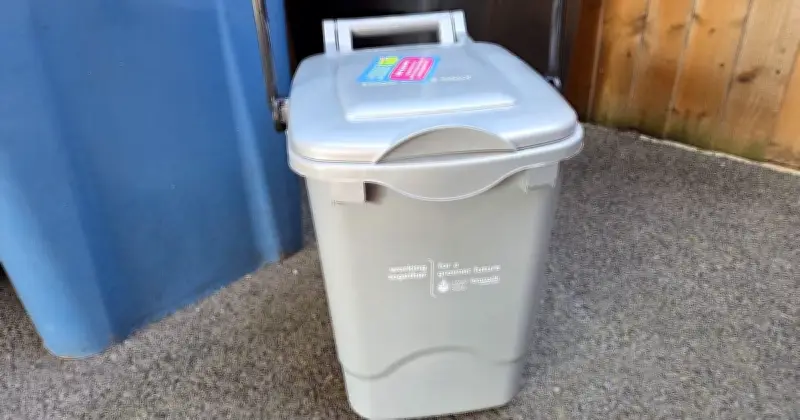
New Food Waste Bins Roll Out Across England
Households across England are beginning to receive their new food waste recycling bins as part of the government's Simpler Recycling reforms. Since March 2026, all local authorities in England are legally required to collect food waste from kerbsides every week. The initiative aims to boost recycling rates and reduce waste sent to landfill or incineration. Collected food waste is sent to anaerobic digestion facilities, where it is converted into renewable energy and fertiliser.
However, about one-third of councils are experiencing delayed transition schedules due to existing waste contracts. As a result, not all residents have received their bins simultaneously. Some areas have already received new bins, while others may not get theirs until later in 2026 or early 2027.
What Items Are Allowed in the New Food Waste Bins?
Residents can place a wide range of organic materials in the new bins, including cooked and uncooked food, meat, fish, bones, dairy products, eggshells, fruit and vegetable peelings, plate scrapings, leftovers, bakery items like bread and pasta, tea bags, coffee grounds, and out-of-date food.

Items Not Allowed in Food Waste Bins
Certain items are strictly prohibited to avoid contamination. These include:
- Liquids such as oils, fats, soups, and drinks
- Packaging of any kind, including plastic wrap and non-compostable food containers (excluding liners)
- Compostable or bio-plastics unless specified by the local council
- Garden waste and flowers, which must be collected separately for open composting
- Glass and metal
- Nappies
- General household waste
How the New Food Waste System Works
Households receive three items: a small indoor caddy (5L–7L) for daily kitchen food waste, a larger lockable outdoor caddy for emptying the indoor caddy, and a roll of liners. Liners are optional; residents may use newspaper, unbleached paper bags, or certified compostable liners to keep caddies clean.
Under the new rules, waste collectors must separate recyclables by default, including food and garden waste, paper and card, other dry recyclables (glass, metal, plastic, cartons), and residual non-recyclable waste.
Government Statement on Simplifying Recycling
Circular Economy Minister Mary Creagh said: "We are ending the bin collections postcode lottery and making it easier for people to recycle wherever they live. Simplifying these rules will cut out carbon, clean up our streets, and help bring pride back into our communities. We will continue to work hand-in-hand with local areas to deliver these changes and ensure there’s more recycled content in the products we buy."