Andy Burnham now faces an urgent decision over whether to approve fresh production at the Rosebank oilfield and Jackdaw gasfield in the North Sea, a choice that is set to divide the country. Whatever he decides, half the nation will be unhappy, and he knows it. The decision has been delayed until after last Thursday's by-election in Holborn and St Pancras, triggered by Keir Starmer's decision to quit Parliament.
By-election delay ends
The by-election was a significant test for Burnham, as Green Party leader Zack Polanski stood for the seat. Burnham was determined to stop Polanski, contain the resurgent Greens, and reconnect Labour with disillusioned left-wing voters. He avoided announcing new North Sea drilling to avoid boosting Polanski's campaign. The strategy worked: Labour held the seat, and Polanski is now under pressure. Burnham can no longer use the contest as a reason to delay.
Former energy secretary Ed Miliband triggered a major row by blocking new North Sea drilling licences, arguing that the policy would not cut household bills, while overlooking the wider economic and strategic case for domestic production.
Economic and security arguments
Rosebank and Jackdaw could produce substantial quantities of oil and gas over their lifetimes, although they would not make Britain self-sufficient overnight. New investment would support jobs, generate tax revenues, and revive Aberdeen's flagging energy industry. Drilling could also strengthen energy security by reducing reliance on imports and improve Britain's balance of payments. North Sea gas has lower production and transport emissions than imported liquefied natural gas, adding another argument in favour.
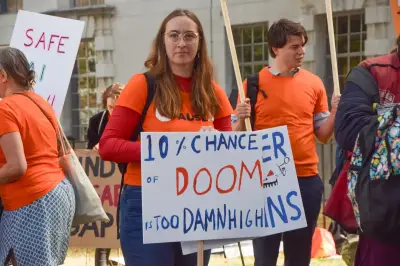
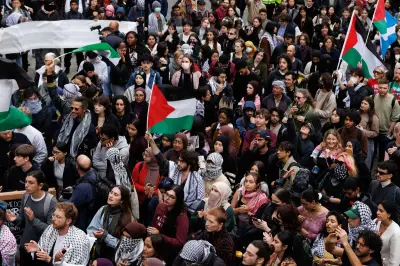
Critics argue that new fields risk locking Britain into fossil-fuel dependence when it should be accelerating the shift to renewables. Approving the fields would enrage environmentalists, who could march with banners accusing the PM of harming the planet, and could even revive Polanski's political fortunes.
Winter pressures and political bind
With winter approaching, energy costs climbing, and the Iran and Ukraine wars threatening supplies, most voters are likely to see it as madness to leave domestic resources untapped while paying billions to Norway, the US, and Qatar. Labour allows imports of jet fuel made from Russian crude, which boosts Vladimir Putin's war chest. Given that, blocking domestic production could cost Labour seats at the next election.
Burnham is in a bind. He cannot please everyone, and he cannot keep delaying. He wanted power and now he has it, so he must make the tough calls that come with it.