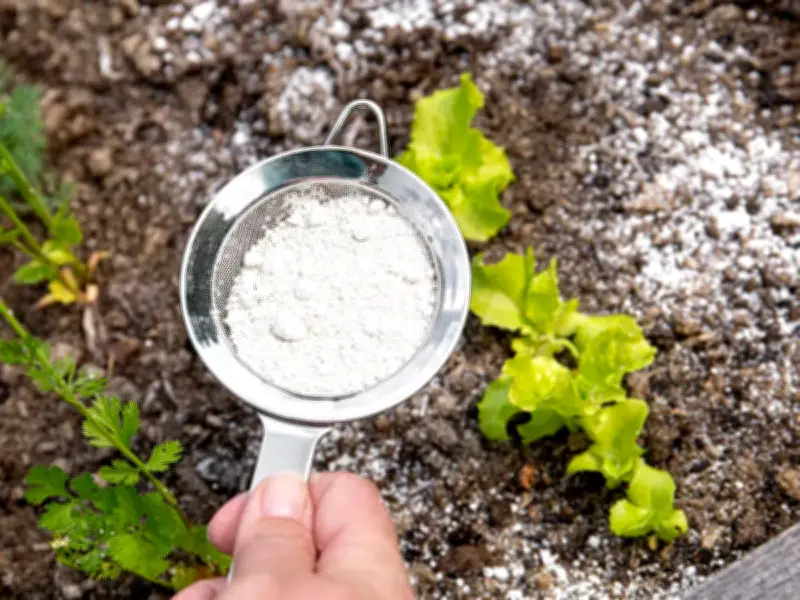
Baking soda, or bicarbonate of soda, is a kitchen staple that can protect garden plants from fungal infections as autumn weather turns damper. A diluted spray applied weekly can help prevent issues like black spot and powdery mildew, according to viral gardening expert Ish.
Why Baking Soda Works in the Garden
Ish explained that baking soda has antibacterial and antifungal properties. When diluted into a simple spray, it can protect plants from various fungal infections, including black spot and powdery mildew, which he described as "such a pain, but easily dealt with."
October is a pivotal month for gardens, offering a window to get plants protected and strengthened before the colder weeks ahead.
How to Make and Apply the Spray
To make the spray, get a spray bottle and a box of baking soda. For every teaspoon of baking soda, add 500ml of water to the spray bottle. Shake the bottle vigorously to ensure the powder has dissolved properly. Set the nozzle to the mist setting and disperse the liquid evenly onto plants once a week for best results.
Alternatively, a light spray made from around a teaspoon of baking soda dissolved in a litre of water with a couple of drops of washing-up liquid can be used on affected leaves. It's best applied on a dry day and always tested on a small patch first because some foliage can scorch.
Additional Uses for Baking Soda in Autumn
October is also a good moment to clean up before winter. Baking soda works well for scrubbing pots, seed trays and tools – either as a simple paste with a little water for stubborn grime or dissolved into warm water for a general wash – helping reduce the risk of carrying disease and pests into next season.
If your compost caddy or bin is starting to smell as more kitchen waste builds up, a very light dusting of baking soda can help neutralise odours, though it's wise not to overdo it, as too much can interfere with the composting process.
Some gardeners also use it cautiously as a slug-and-snail deterrent in very small amounts, mainly as a temporary dry barrier on hard surfaces like greenhouse thresholds rather than sprinkling it around plants, because repeated use in soil can alter the pH.
Caution: Use Sparingly
However, you should be cautious about being too liberal with the household ingredient. The main thing to remember is that baking soda is best kept as an occasional, targeted helper. While it's useful for cleaning and minor preventative jobs, it shouldn't be continuously added to beds and borders, where it can do more harm than good if applied too heavily.