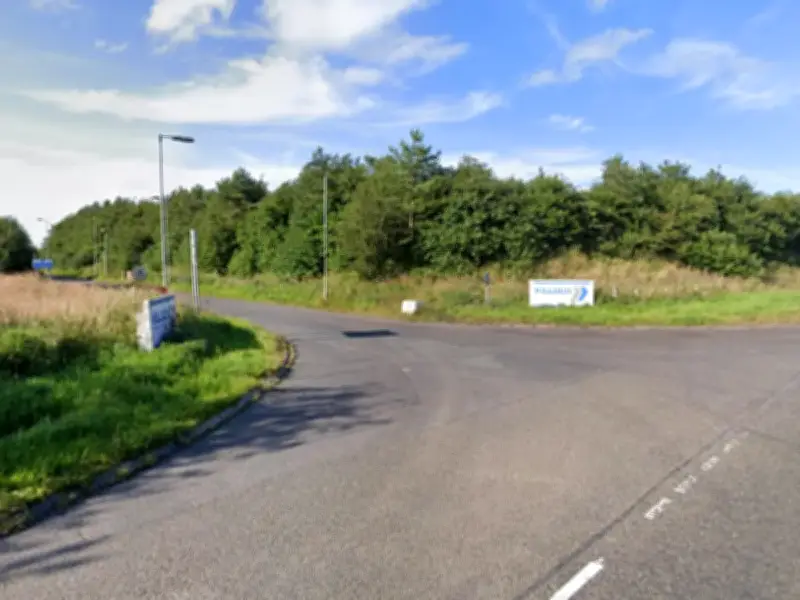
Plans for a contaminated soil treatment facility at a former Ayrshire colliery have been recommended for approval despite 68 objections raising concerns about public health, pollution, water contamination and heavy traffic.
East Ayrshire councillors will consider proposals from Killoch Resources Ltd to establish the facility at the former Killoch Colliery site, off the A70 west of Ochiltree. The proposed operation would process up to 24,500 tonnes of contaminated soil annually, with treated material intended for reuse in construction and land restoration projects.
Objections from community councils
The development has attracted 68 objections from 57 separate parties, including Ochiltree and Skares Community Council and Coylton Community Council. Opponents have questioned the potential environmental and health consequences of bringing contaminated material into the area, as well as whether sufficient information has been provided about how the facility would operate.
Ochiltree and Skares Community Council has objected on several grounds, including the absence of a full environmental impact assessment, the possibility of air pollution from dust and vapours, secondary water pollution, health risks and nuisance. Coylton Community Council has also objected, citing environmental, public health and transport concerns, particularly the potential increase in heavy goods vehicles using local roads.
Concerns over contaminants and water pollution
Individual objectors have questioned where the contaminated soil would come from and why it could not be treated closer to its source, arguing that transporting potentially hazardous material over long distances could increase environmental risks and carbon emissions. Concerns have also been raised about what residents consider a lack of detail on the specific contaminants that would be handled and the technologies used to remove or reduce contamination.
Some residents have highlighted existing industrial activity in the wider area, expressing fears about the cumulative impact of additional development. One objection refers to dust allegedly coming from the Egger plant, while another raises concerns about other industrial and energy infrastructure around Ochiltree.
Water pollution has emerged as another significant issue. One objector, who said their farm was located below the Killoch site, claimed that water flowing from the area was already black and dirty throughout the year and unsuitable for livestock. They expressed fears that the proposed facility could worsen the situation. Other objections question how contaminated surface water would be prevented from reaching surrounding farmland and watercourses, and what arrangements would be in place for monitoring. The adequacy of the proposed drainage system has also been challenged.
Traffic and operational details
Transport is another major concern, with the facility potentially generating up to 100 vehicle movements per day, comprising 50 incoming and 50 outgoing journeys, mainly by heavy goods vehicles. While the application refers to the potential use of rail transport, objectors have questioned whether sufficient detail has been provided to demonstrate that road haulage would be reduced. The planning report acknowledges that the site's existing rail spur is inactive and that bringing it back into use would require further agreements and potentially track reinstatement.
Residents have also sought clarification about whether the facility would operate around the clock and how many jobs it would create. The applicant's proposals outline operations between 6am and 6pm, with vehicle movements pre-booked and distributed across that period. The facility would use a combination of biological treatment, chemical stabilisation and mechanical screening to treat contaminated soils. The applicant proposes methods to minimise the risk of contamination spreading.
No objections from statutory bodies
Despite the objections, East Ayrshire Council's Environmental Health Service, Ayrshire Roads Alliance and the Scottish Environment Protection Agency have raised no objections to the development. Council officers say the applicant's management proposals include measures to control dust, noise, odour and potential pollution. These include water suppression during dry weather, management of stockpiles, monitoring of airborne particles and wheel-washing arrangements to prevent mud and dust being carried onto public roads.
Officers also point out that the site has a long history of industrial use, having previously operated as a colliery and coal-processing facility. A screening decision issued in August 2025 concluded that a full environmental impact assessment was not required. In their report, planning officials acknowledge that some weight should be given to the objections but conclude that the concerns about traffic, noise, dust, emissions and surface water can be addressed through mitigation measures. They consider that the objections do not provide sufficient grounds to recommend refusal.
One letter of support was also received, describing the proposal as a positive business opportunity for the area. Planning officers have recommended approval when the application comes before East Ayrshire Council's planning committee on Friday, November 20.