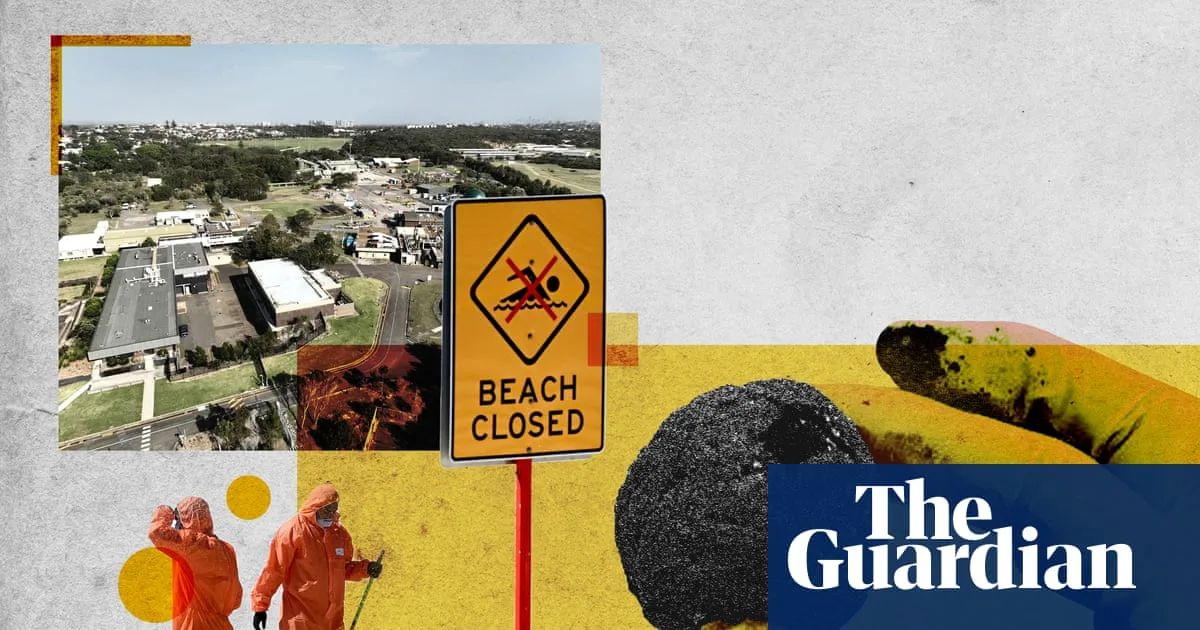
The New South Wales Environment Protection Authority (EPA) has issued a pollution reduction program to Sydney Water, requiring the removal of fats from the Malabar wastewater treatment plant. The order follows revelations that a massive fatberg is responsible for the debris balls that closed beaches last summer.
Sydney Water is unsure of the fatberg's exact size due to difficult access, but it could be equivalent to four Sydney buses. A secret report obtained by Guardian Australia states that fixing the problem would require shutting down the ocean outfall for maintenance, diverting sewage to cliff face discharge, and closing Sydney's beaches for months—an approach deemed 'no longer acceptable'.
The EPA's requirements include short, medium, and long-term actions: removing fats, oils, and grease from a hard-to-access bulkhead area; conducting at least 18 inspections over three years from April 2026; developing a system to capture debris during severe wet weather; studying debris ball formation; and considering AI or other technology for monitoring.
Sydney Water has already removed 53 tonnes of accumulated fats and debris balls in April 2025. The corporation is using remote equipment to inspect and attempt to remove the blockage, as the fatberg is thought to be in a 300 cubic metre chamber beyond stopboards that cannot be safely accessed.
EPA executive director Steve Beaman stated that Sydney Water is 'responsible for ensuring it doesn’t pollute our beautiful beaches'. A Sydney Water spokesperson said the measures align with its $3bn Malabar system investment program and will be implemented in close collaboration with the EPA.