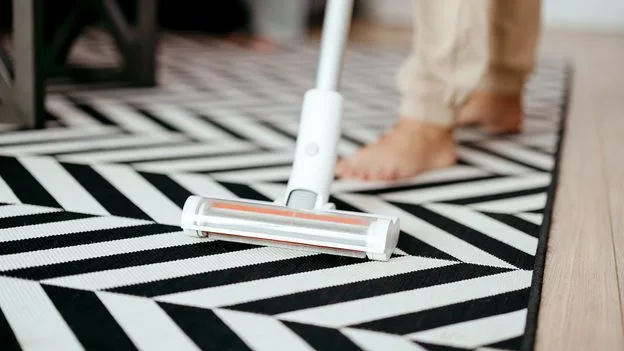
Microplastics are pervasive in indoor air, with studies suggesting that people may inhale hundreds of thousands to millions of particles each year. Scientists now believe that inhalation could be the primary route of exposure, surpassing ingestion through food and water. Indoor concentrations of airborne microplastics have been found to be up to eight times higher than outdoor levels, according to a 2021 study in China.
Key sources of indoor microplastics include synthetic clothing, soft furnishings, and flooring. When washing, drying, or wearing synthetic garments, countless microscopic fibres are released into the air. These particles can accumulate in household dust and become airborne again when disturbed. A study in the US estimated that an individual could inhale up to 22 million micro- and nanoplastics annually.
Experts emphasise that while complete avoidance is impossible, behavioural changes can significantly reduce exposure. Recommendations include choosing natural fibre clothing and furnishings, altering laundry practices to minimise fibre release, and improving home ventilation and cleaning methods. Dana Barr, an exposure science professor at Emory University, notes that 'there are ways that you can significantly reduce your exposure over time, and it's mostly from behavioural change.'
Research into the health effects of inhaled microplastics is still emerging, but early findings are concerning. The smallest particles, measuring one to 10 micrometres, can penetrate deep into the lungs. As people in developed countries spend about 90% of their time indoors, understanding and mitigating this form of pollution is becoming increasingly urgent.