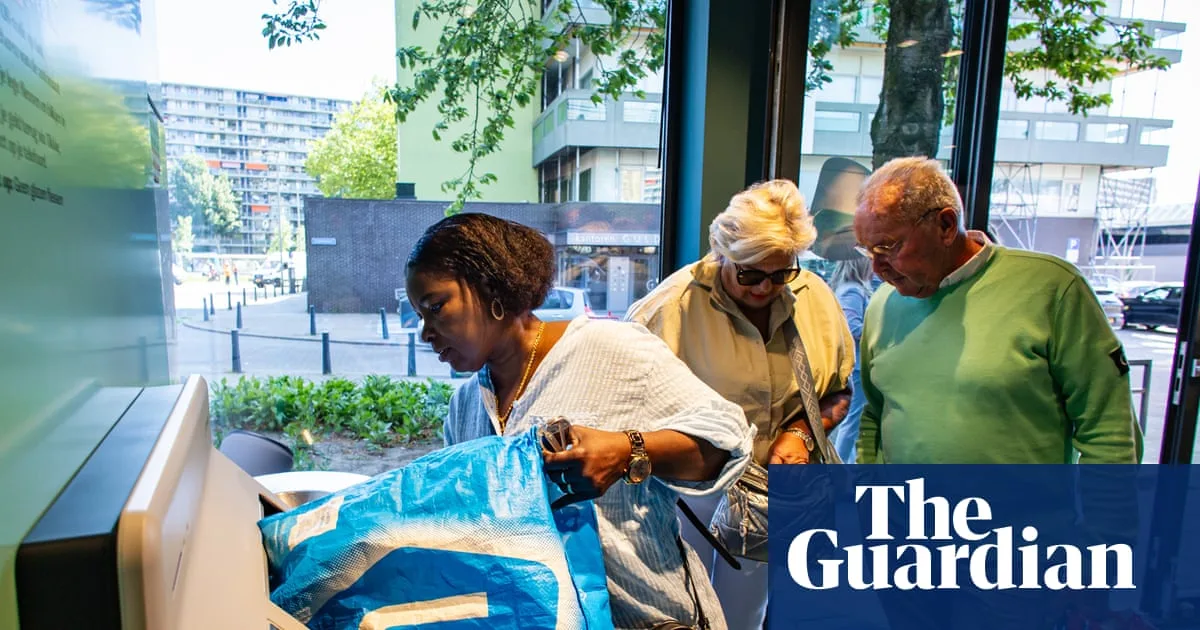
In the Netherlands, a new type of shop is offering cash for returned plastic bottles and cans, helping the country meet ambitious recycling targets. The Statiegeld return stores, launched by packaging organisation Verpact, allow consumers to deposit large quantities of containers at once and receive their deposit fees back. The first store opened in Rotterdam in May, and Amsterdam now has two locations.
When consumers buy drinks in cans, glass or plastic bottles, they pay a deposit (statiegeld) of 15 to 25 cents, reclaimable upon return. However, reverse vending machines in supermarkets often have limited capacity or only accept packaging from brands they sell. The new dedicated shops feature bulk machines that can process up to 200 containers at a time, attracting users including local businesses, tourists, and people collecting cans for extra income.
Verpact CEO Hester Klein Lankhorst said the initiative aims to help reach the national legal target of recovering at least 90% of all bottles and cans sold. Last year, 77% of plastic bottles and 84% of cans were returned, according to Verpact. The collected containers are sorted, cleaned, and processed into recycled materials, with PET bottles already containing an average of 44% recycled content in 2023.
Deposit return schemes are not new to Europe: Sweden introduced one in 1984, and 17 countries now have systems in place. EU legislation requiring a 90% collection rate for single-use plastic bottles and cans is driving further adoption. The Netherlands has had a deposit system since 2006 for large plastic bottles, which has since expanded. Companies that package products are legally responsible for collection and recycling, reporting annually to the government.