Wellington's Environmental Crisis: Sewage Disaster Closes Beaches
Wellington, New Zealand's capital, is grappling with a severe environmental disaster after a catastrophic failure at the Moa Point wastewater treatment plant led to millions of litres of untreated sewage flowing into the sea. Local authorities have issued urgent health warnings, advising residents to avoid water activities, seafood collection, and even dog walking on affected beaches.
Catastrophic Plant Failure and Immediate Impact
On Wednesday, heavy rainfall caused sewage to back up into the 1.8-kilometre outfall pipe at the Moa Point plant, flooding its lower floors. This failure forced untreated sewage to discharge through a shorter five-metre pipe into the waters off Wellington's south coast, including areas like Lyall Bay. Wellington Water chief executive Pat Dougherty reported that approximately 70 million litres of raw wastewater have leaked into surrounding waters, describing the incident as unprecedented.
Wellington mayor Andrew Little labelled the leak a "catastrophic failure," emphasising that the plant, which processes sewage for a major city, has completely stopped functioning. The outfall pipe, designed to be a reliable component, unexpectedly failed, leaving officials at a loss for explanations.

Public Health Warnings and Ongoing Repairs
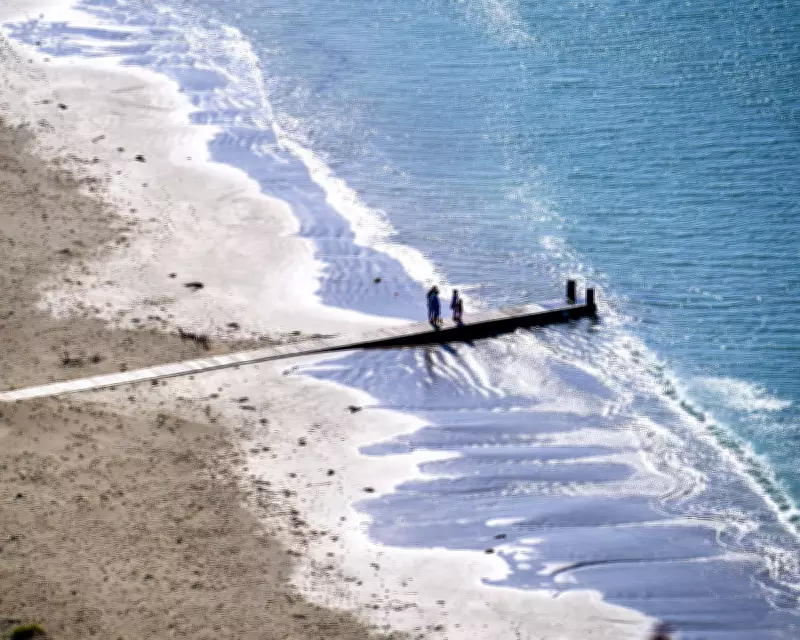
Residents have been strongly advised not to enter the water, collect seafood, or walk their dogs on local beaches due to the high risk of contamination. In a Facebook update, Wellington Water announced partial restoration of the long outfall pipe and screening system, which removes sanitary items from wastewater. Currently, the plant can pump 900 litres per second through the long pipe, handling most average daily flow but still relying on the short pipe during peak periods.
The company noted that discharging screened wastewater via the 1.8-kilometre pipe allows for greater dilution in Cook Strait, reducing coastal pollution. However, they stressed that public health risks remain significant, and repairs are expected to take months, with no clear timeframe for full resolution.
Economic and Ecological Fallout
The sewage spill has sparked widespread concern among local businesses and residents. Dave Drane, owner of Dive Wellington, highlighted financial impacts, including cancelled bookings and negative publicity deterring potential customers. Up to 30 students have already cancelled planned dives in nearby reserves, affecting dive schools operating in the area.
Local resident Angus expressed reluctance to surf, citing visible contaminants resembling toilet paper or jellyfish. New Zealand's Department of Conservation expressed extreme concern, with principal marine science adviser Shane Geange warning that raw sewage poses an immediate and severe threat to ecological functions and species, alongside public health risks. The department is collaborating with local authorities to monitor the spread of sewage and assess environmental damage.
Long-Term Implications and Community Response
This incident underscores vulnerabilities in Wellington's infrastructure, with long-term repairs anticipated to span months. The community faces ongoing disruptions, from recreational limitations to economic losses in tourism and marine activities. Authorities continue to work through the weekend to increase flow through the long outfall pipe, aiming to minimise use of the short pipe and mitigate further contamination.
As Wellington navigates this environmental crisis, the focus remains on public safety, ecological preservation, and restoring critical wastewater services to prevent future disasters.